Although both coal-based granular activated carbon and coconut shell granular activated carbon are granular adsorbent materials with the core function of adsorption and purification, they differ significantly in performance and applicable scenarios due to differences in raw material sources, pore characteristics, and application scenarios.
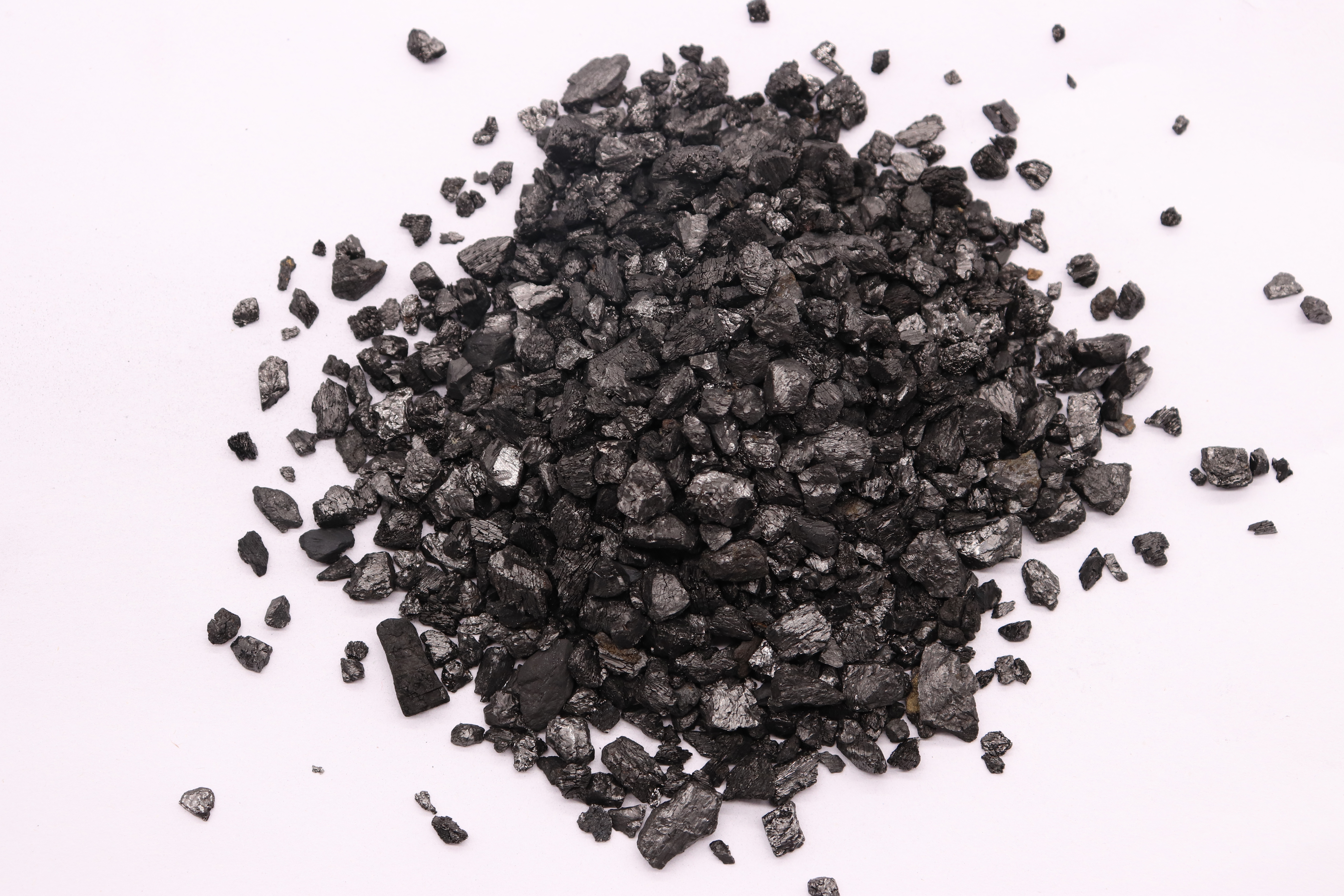
Coal-based granular activated carbon uses high-quality anthracite as its main raw material, produced through high-temperature carbonization and activation. Its pore structure is dominated by mesopores and macropores, with a wide pore size distribution, and the pore surface often exhibits weak polarity. This characteristic makes it more adept at adsorbing macromolecular organic pollutants and heavy metal ions in industrial wastewater, as well as non-polar harmful gases in industrial exhaust gases. It is particularly suitable for treating high-concentration, complex-composition industrial wastewater and exhaust gases, effectively reducing COD and removing odors, meeting the needs of industrial-grade, extensive purification. Simultaneously, coal-based granular activated carbon has high mechanical strength, is wear-resistant, and does not easily pulverize, and its price is relatively affordable, making it suitable for large-scale industrial applications such as wastewater treatment and exhaust gas purification in industries like chemical, metallurgical, and dyeing.
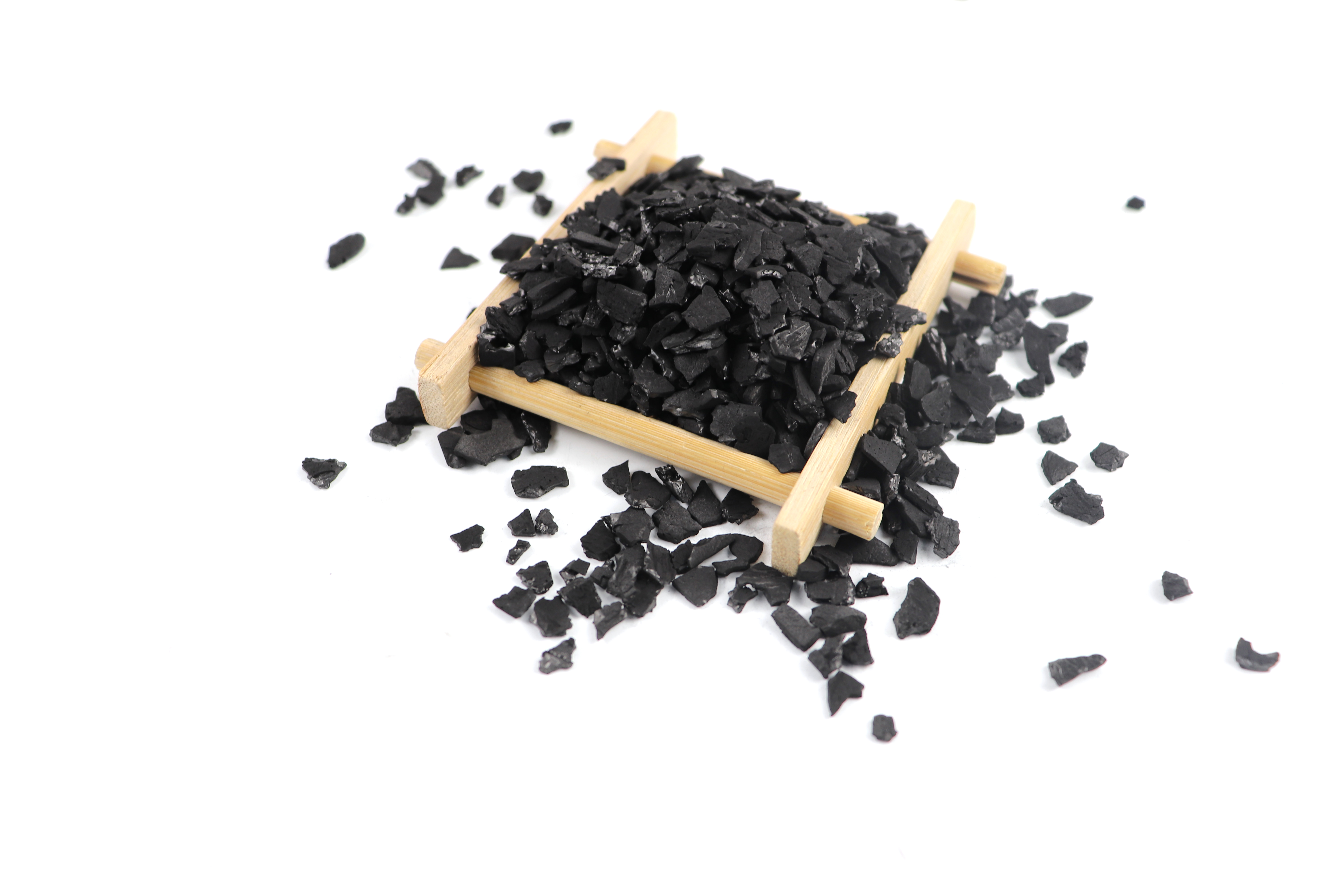
Coconut shell granular activated carbon is made from natural coconut shells through a special activation process. Its pore structure is primarily microporous, with a more uniform and fine pore size distribution and stronger surface polarity. Compared to coal-based activated carbon, it has higher adsorption precision, a more outstanding adsorption capacity for small molecules (such as residual chlorine and trace harmful impurities in water), higher purity, and no impurity residue, making it more suitable for scenarios with stringent purification requirements. For example, in food processing, drinking water purification, and high-end environmental treatment, it can remove odors and harmful components from water without introducing secondary pollution. It also has advantages in air purification and precision instrument applications.
The core difference between the two lies in their applicable scenarios: coal-based granular activated carbon is more focused on large-scale industrial-grade purification, resistant to complex water qualities and harsh operating conditions, and offers high cost-effectiveness; coconut shell granular activated carbon is more focused on high-precision, high-purity purification needs, and is more advantageous in food-grade and drinking water-grade purification scenarios.

Looking for activated carbon products that suit your needs? We are a trusted supplier and can recommend the most suitable type based on your specific application scenario. Contact us for more details.

 Get Free Sample
 WhatsApp