As the key consumable for drinking water deep purification, industrial wastewater COD reduction, and circulating water filtration, the actual service life of coal-based granular activated carbon is the most frequently asked question by customers. The answer is not fixed, but based on mainstream industrial operating data: in municipal drinking water plants for taste/odor and residual chlorine removal, coal-based GAC can serve 12–24 months under standardized backwashing; in industrial wastewater treatment for COD and color removal, the service life ranges from 3–12 months depending on influent quality; for RO pre-treatment and circulating cooling water purification, it usually lasts 6–18 months. Unlike PAC which is consumed in real time, coal-based GAC can be thermally regenerated 3–5 times on average, further extending its total service life by 2–3 times.
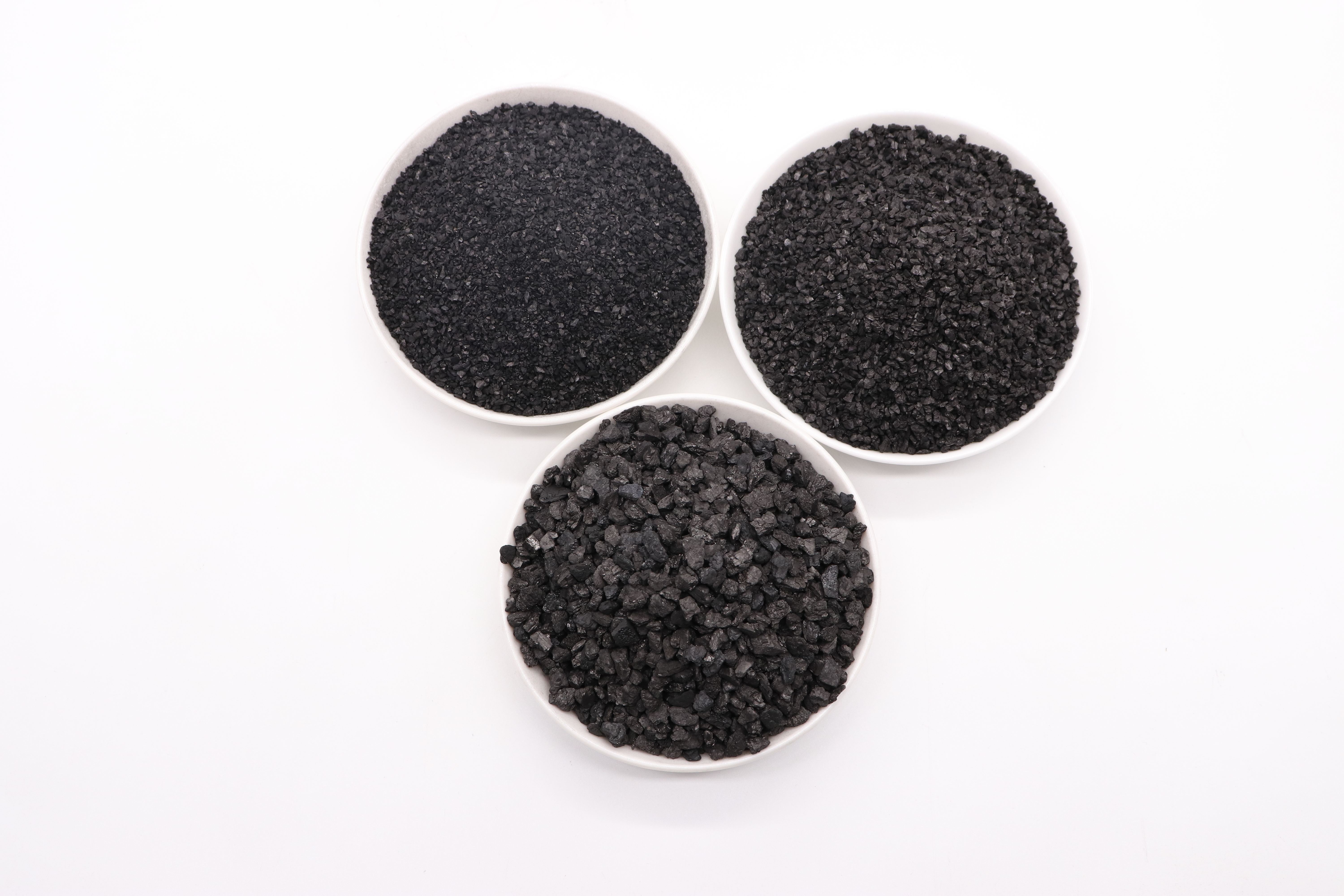
Several critical factors influence the service life and replacement frequency of coal-based GAC. These include: the inlet concentration of COD, organic pollutants, heavy metals and suspended solids, the required effluent quality standards (e.g., COD reduction target, residual chlorine limit), the presence of competing adsorbates (such as humus and colloids), pH and temperature of influent, filtration flow rate, empty bed contact time (EBCT), backwashing intensity and frequency, and regeneration process. A change in any of these conditions will directly affect how quickly the GAC becomes saturated. For example, in high-COD industrial wastewater streams (e.g., >300 ppm printing and dyeing or chemical wastewater), the GAC may reach exhaustion within only 1–3 months, demanding frequent regeneration or direct replacement.
o scientifically manage coal-based GAC usage, the most reliable approach is not to rely on a fixed time interval, but to integrate regular performance testing and real-time monitoring. For water treatment systems, continuously measure outlet parameters such as UV₂₅₄ (organic content), residual chlorine, color, COD and TOC; when the treated effluent fails to meet the target specification – typically when outlet values exceed 80% of the allowable limit, or the filter tank pressure difference rises significantly – it is time to perform backwashing, regeneration or complete replacement. Many modern water plants use online sensors linked to automatic backwashing systems, and some are equipped with on-site regeneration units to maximize GAC utilization and minimize operating costs.
Selecting high-quality coal-based granular activated carbon can significantly improve treatment efficiency and reduce overall consumption. ZhongChuang coal-based granular activated carbon is manufactured from selected high-quality bituminous coal via high-temperature carbonization and steam activation. It features a high iodine value (800–1100 mg/g), low ash content (≤10%), high methylene blue adsorption (150–210 mg/g), high mechanical strength (≥95%), and uniform particle size (4×8 mesh, 8×16 mesh, 12×20 mesh, customizable). These properties provide fast adsorption kinetics, high pollutant loading capacity, excellent abrasion resistance (no powdering during backwashing), and stable long-term performance, thereby extending the effective service life of each GAC batch under the same operating conditions.

If you would like to determine the most suitable coal-based GAC grade, optimal filling volume and replacement cycle for your specific water treatment application, please feel free to contact us. Our technical team will provide you with a professional, tailor-made solution.

 Get Free Sample
 WhatsApp