In a typical high-grade gold CIL circuit, fresh coconut GAC maintains effective adsorption efficiency for approximately 4 to 8 weeks, undergoing 4–6 thermal regeneration cycles during that period. However, "consumption" is not simply saturation – actual carbon loss occurs from two aspects: physical breakage and fines loss due to agitation and pumping (typically 5–10% loss per month), and irreversible poisoning caused by accumulation of impurities such as calcium carbonate or organic matter on the carbon surface. Therefore, most plants adopt a "proportional replenishment" strategy: adding fresh coconut carbon equivalent to 1–5% of total carbon inventory daily or per shift to maintain stable carbon concentration and adsorption kinetics.
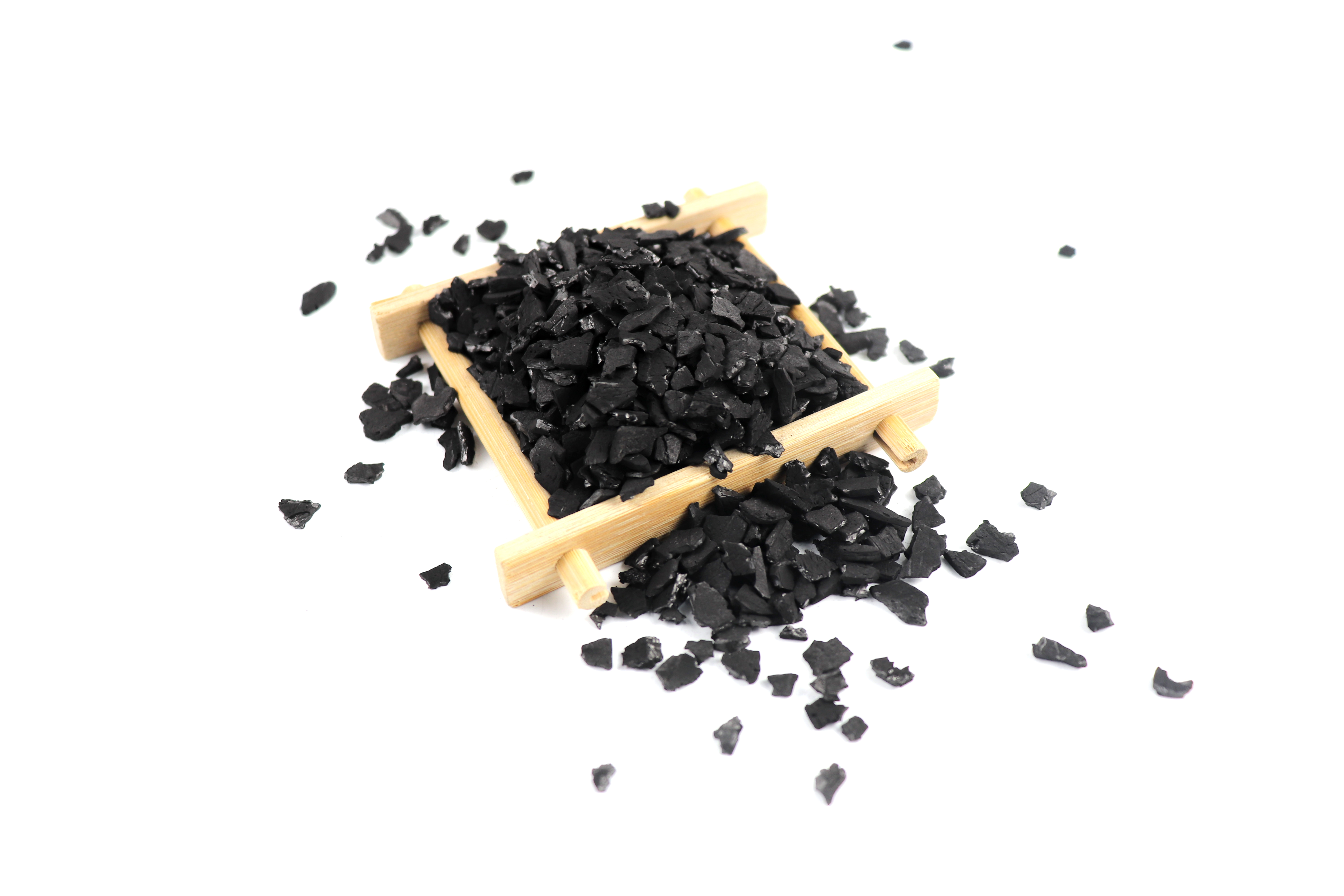
Several critical factors influence the consumption rate of coconut GAC: soluble gold concentration in the feed slurry (typically 0.5–5 g/t), carbon-to-slurry contact time (usually 4–12 hours in a CIL circuit), slurry pH (10–11), cyanide concentration, grind fineness (particle size of solids), agitation intensity, and regeneration kiln temperature control (650–750°C). Regeneration control is particularly important – excessively high temperatures increase carbon ash content and collapse micropores, accelerating deactivation, while insufficient temperatures fail to fully desorb gold and organics. For example, when the slurry contains high levels of organic carbon (preg-robbing materials), coconut carbon activity can decline rapidly due to competitive adsorption, potentially requiring over 10% carbon replacement every 2–3 weeks.
For scientific management, gold recovery plants should not rely solely on a fixed carbon makeup schedule, but rather implement data-driven process monitoring. Recommended daily indicators include: gold loading on carbon (typically controlled at 1000–5000 g/t), iodine value of carbon (fresh >1000 mg/g – when it drops to 600–800 mg/g, carbon should be discharged), hardness (fresh >98% – when below 90%, recovery is significantly affected), and tailings gold grade. When tailings gold content consistently exceeds the target (e.g., >0.1 g/t) or carbon adsorption rate drops by more than 20%, the fresh carbon replenishment rate should be increased. Many modern plants employ carbon sampling and analysis systems to regularly test carbon activity and automatically adjust makeup rates, achieving lower carbon consumption (industry best practice is 50–150 g carbon per ton of ore) while maintaining gold recovery.
Selecting high-quality coconut shell granular activated carbon significantly extends its effective service life and reduces cost per ton of ore. ZhongChuang coconut gold carbon is manufactured from premium Southeast Asian coconut shells via high-temperature steam activation, precision granulation, and screening. It features extremely high hardness (≥98%, ASTM D3802), high iodine value (1000–1200 mg/g), low ash content (≤3%), and uniform particle size (primarily 6×12 or 8×16 mesh). Its optimized microporous structure (pore size distribution centered at 0.8–2.0 nm) provides fast adsorption kinetics for gold cyanide complexes while maintaining excellent abrasion resistance during thermal regeneration, helping customers reduce carbon consumption per ton of ore by 15–25%.

If you would like to determine the most suitable coconut shell granular activated carbon grade and replenishment/regeneration program for your specific gold ore grade, slurry characteristics, and CIL/CIP process conditions, please feel free to contact us. Our metallurgical technical team will provide you with a professional, tailor-made solution.

 Get Free Sample
 WhatsApp