As a key consumable in advanced wastewater treatment, PAC dosage and cost are the most frequent customer concerns. Based on industry data: municipal tertiary treatment typically uses 10–30 mg/L PAC, achieving 50–70% COD removal; industrial wastewater requires 50–500 mg/L with 40–85% removal; dyeing wastewater decolorization uses 100–1000 mg/L achieving 85–95% removal; emergency treatment uses 20–100 mg/L, rapidly adsorbing pesticides, algal toxins and odor compounds within 15–30 minutes. PAC is single-use, but optimizing dosing points, contact time and mixing conditions maximizes efficiency and reduces overall costs.
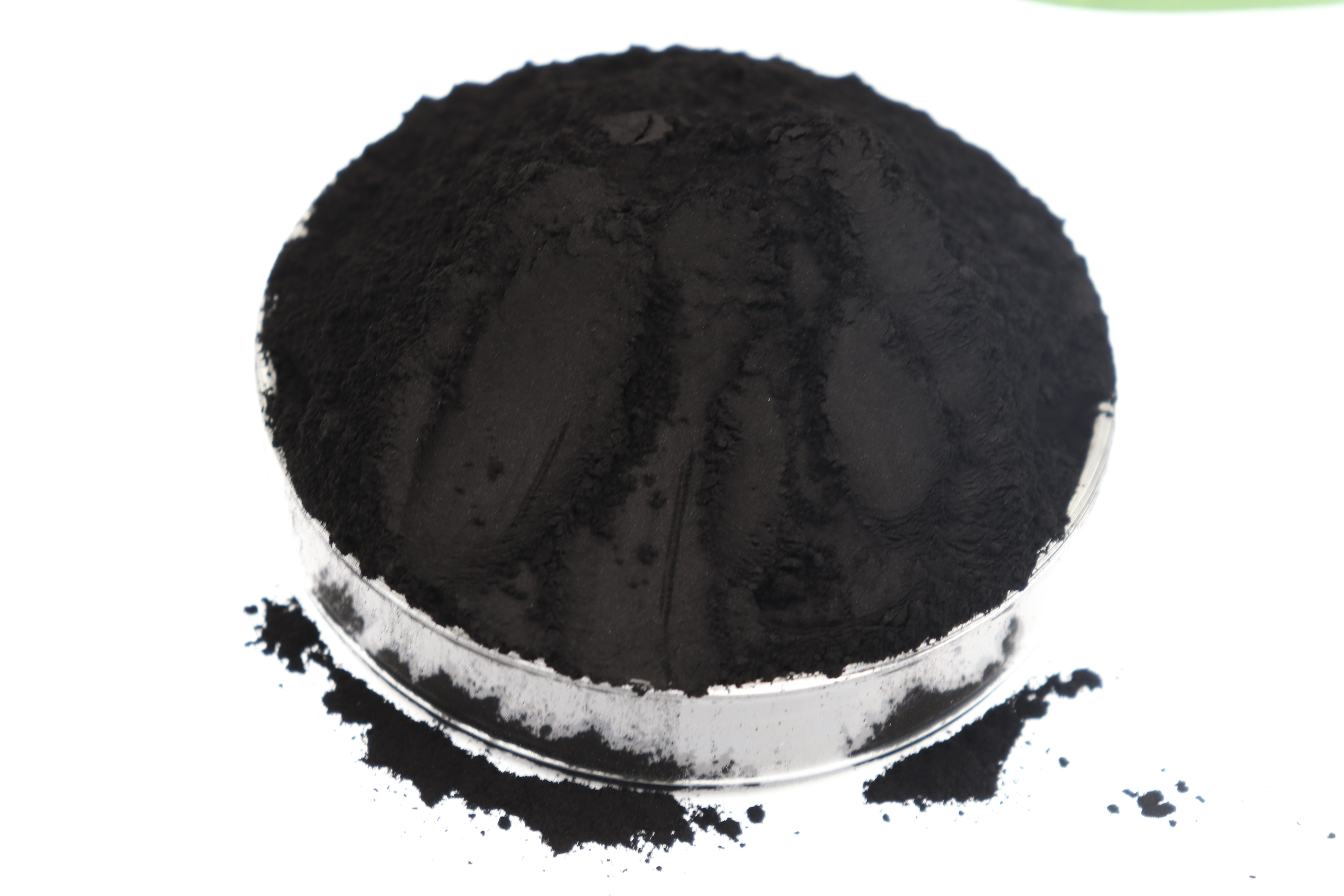
Key factors affecting PAC efficiency include: influent COD, organic type, color, suspended solids, pH, temperature, contact time (15–60 minutes), mixing intensity, and coagulant synergy. Any fluctuation in these conditions directly impacts adsorption rate and saturation capacity.
Scientific PAC management relies on regular jar testing combined with online monitoring of effluent COD, color, UV₂₅₄, etc., adjusting dosage in real time to ensure compliance while minimizing chemical costs.
Selecting high-quality PAC significantly improves efficiency. ZhongChuang PAC is manufactured from premium coal, coconut shell and wood raw materials via high-temperature activation, featuring high iodine value (800–1100 mg/g), low ash (≤8%), high methylene blue value, fine particle size (200 mesh, 325 mesh, customizable), and rapid adsorption kinetics – delivering lower dosage and less sludge under the same treatment targets.

To determine the most suitable PAC grade and dosing strategy for your wastewater treatment process, please contact us. Our technical team will provide professional, tailor-made solutions.

 Get Free Sample
 WhatsApp