As a key consumable in drinking water purification, wastewater decolorization, flue gas mercury removal, and odor control, powdered activated carbon – and specifically its consumption rate – is a major concern for plant operators and procurement managers. Many customers frequently ask: how long does a batch of powdered activated carbon actually last before requiring replacement? The answer is not fixed, but within common industry applications (e.g., surface water treatment for taste and odor control, or industrial effluent decolorization), the carbon is usually consumed within 4 to 12 hours of contact time. In continuous dosing systems, fresh PAC is injected constantly, so “replacement” is a real‑time process. In batch processes, the carbon is replaced after each treatment cycle – often once per shift or once per day.
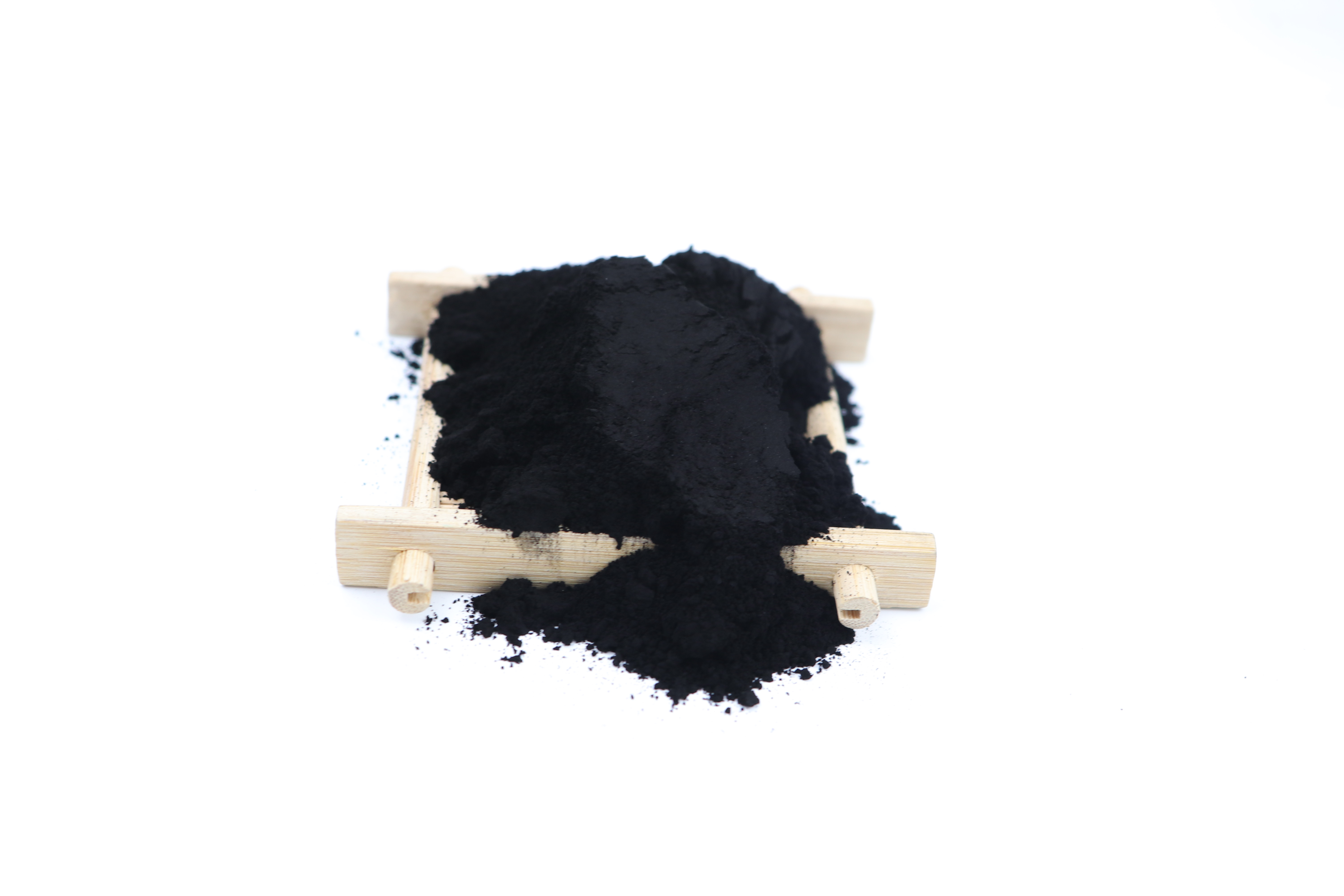
Several critical factors influence the consumption rate and replacement frequency of powdered activated carbon. These include: the inlet concentration of organic pollutants or color‑causing compounds, the required effluent quality (e.g., COD reduction target or color number), the presence of competing adsorbates, pH and temperature of the liquid, mixing intensity, contact time, and the type of solid‑liquid separation equipment (e.g., sand filter, membrane, or settling tank). A change in any of these conditions will directly affect how quickly the PAC becomes saturated. For example, in a high‑COD industrial wastewater stream (e.g., >500 ppm), the PAC may reach exhaustion within only 1 to 2 hours, demanding very frequent dosing or a higher continuous feed rate.
To scientifically manage powdered activated carbon usage, the most reliable approach is not to rely on a fixed time interval, but to integrate real‑time monitoring. For water treatment, continuously measure outlet parameters such as UV‑254 (organic matter), color, or odor; for flue gas applications, monitor mercury concentration or dioxin level. Once the treated effluent fails to meet the target specification – typically when outlet values exceed 80% of the allowable limit – it is time to increase the PAC dose or replace the batch. Many modern plants use online sensors linked to automatic dosing systems to adjust the PAC feed rate in real time, ensuring consistent performance while minimizing waste.
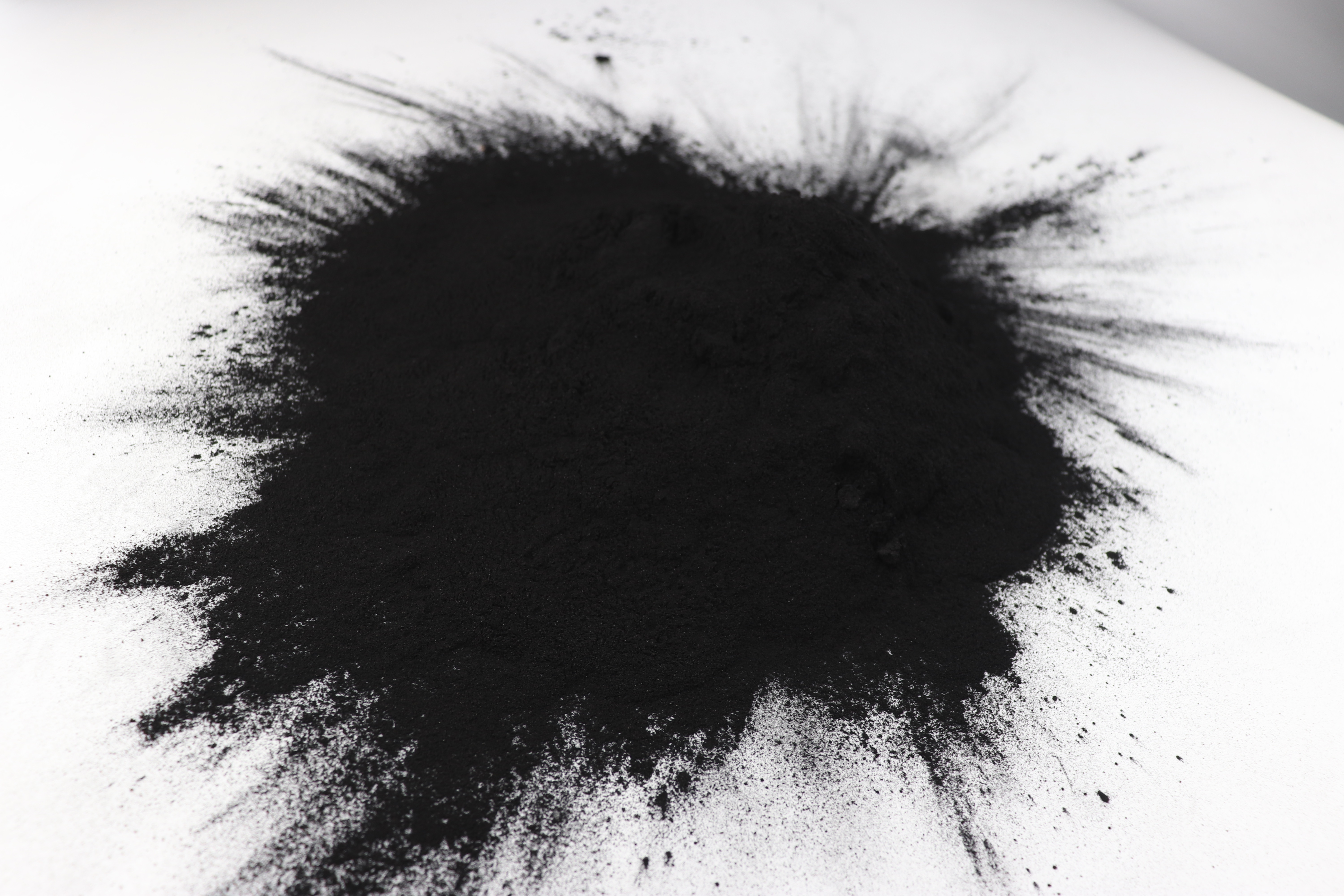
Selecting high‑quality powdered activated carbon can significantly improve treatment efficiency and reduce overall consumption. ZhongChuang powdered activated carbon is manufactured from selected bituminous coal or coconut shell via fine grinding and steam activation. It features a high iodine value (800–1100 mg/g), low ash content (≤8%), high methylene blue adsorption (≥180 mg/g), and a fine particle size (200–325 mesh, with >90% passing). These properties provide rapid adsorption kinetics, high surface area utilization, and minimal residue, thereby lowering the required dosage and extending the effective “service life” of each carbon batch under the same operating conditions.

f you would like to determine the most suitable powdered activated carbon grade and optimal dosing schedule for your specific water or waste gas treatment application, please feel free to contact us. Our technical team will provide you with a professional, tailor‑made solution.

 Get Free Sample
 WhatsApp