Coal-based granular activated carbon features a well-developed pore structure and a large specific surface area, enabling efficient adsorption of various organic pollutants in chemical wastewater, including benzene series, phenols, dye intermediates, and pesticide residues.
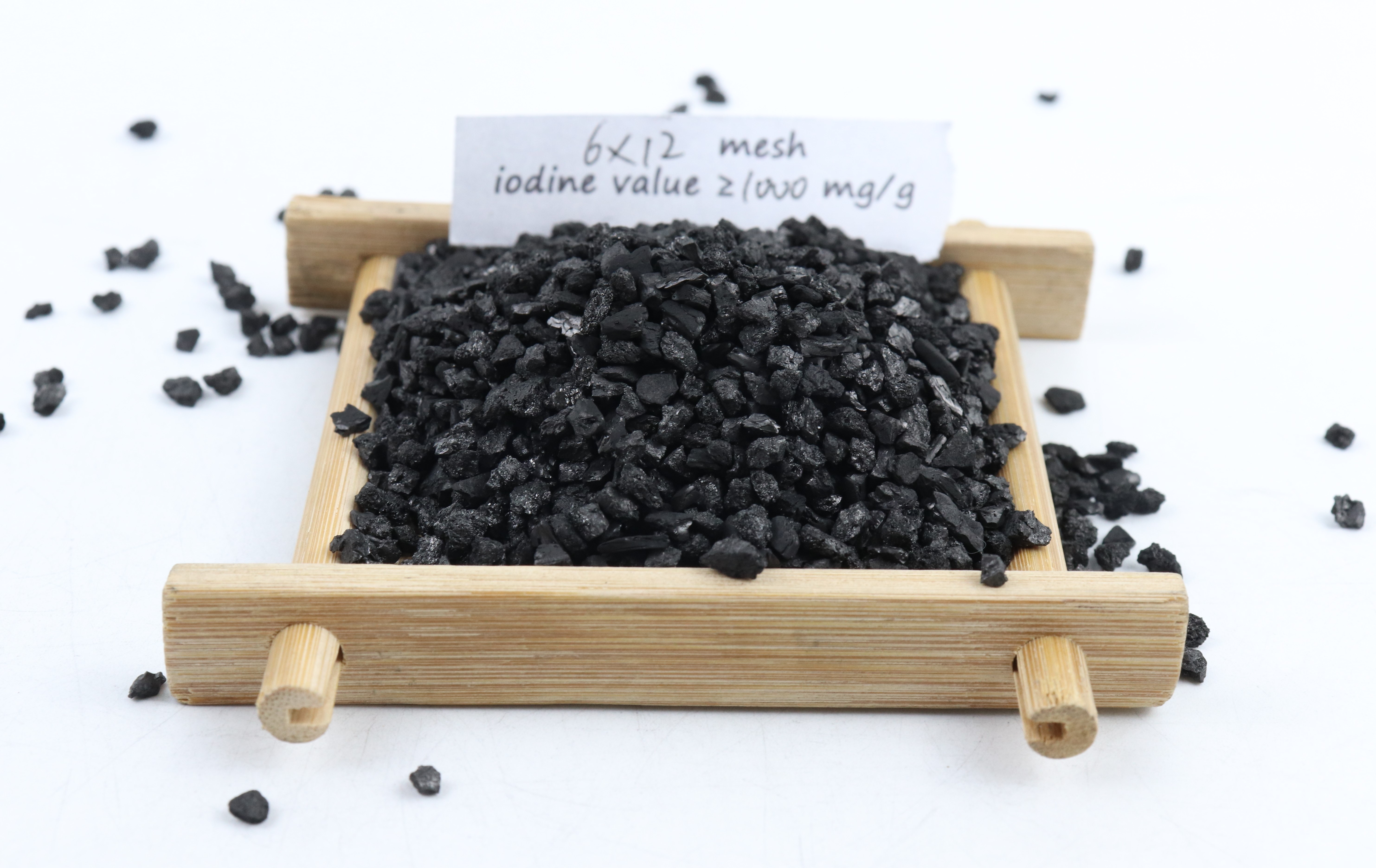
In addition to reducing COD and color, coal-based granular activated carbon effectively intercepts suspended solids (SS) and colloidal particles in chemical wastewater. Through the synergistic effects of physical interception and adsorption, the activated carbon bed significantly improves effluent turbidity, creating favorable conditions for subsequent advanced treatment.

Chemical wastewater often contains toxic and hazardous substances such as aniline, chlorinated hydrocarbons, and nitro compounds, which are difficult for conventional biological treatment to fully degrade. Relying on its broad-spectrum adsorption capacity, coal-based granular activated carbon effectively removes these toxic substances and reduces the impact load on subsequent biochemical systems.
The quality and flow rate of chemical wastewater often fluctuate significantly, causing impacts on treatment systems. Coal-based granular activated carbon offers good buffering capacity, adapting to variations in influent concentration and flow within a certain range while maintaining stable effluent quality. This resistance to shock loads makes it a reliable line of defense in chemical wastewater treatment processes.
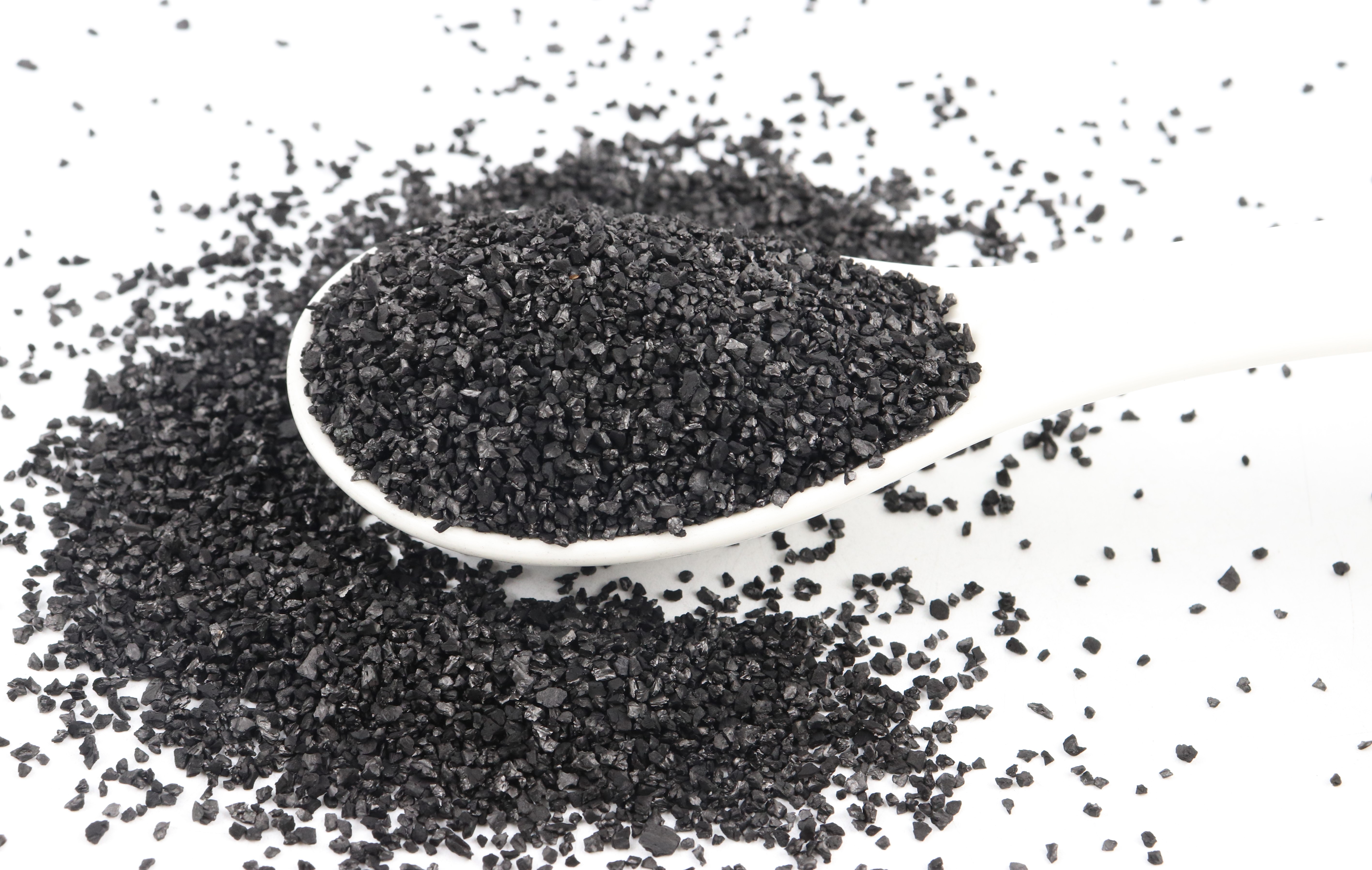
Looking for high performance coal based granular activated carbon for wastewater treatment? We are your trustworthy supplier. Contact Us for more details.

 Get Free Sample
 WhatsApp