As a key consumable in VOCs treatment, solvent recovery, and industrial exhaust purification, columnar activated carbon – and specifically its service life – is a major concern for plant operators and procurement managers. Many customers frequently ask: how long does columnar activated carbon actually last before requiring replacement? The answer is not fixed, but within common industry applications (e.g., paint booth exhaust, chemical plant venting, or printing solvent recovery), the replacement cycle generally falls between 6 and 12 months. In some well-maintained systems with low pollutant loads, it can even extend to 18–24 months.
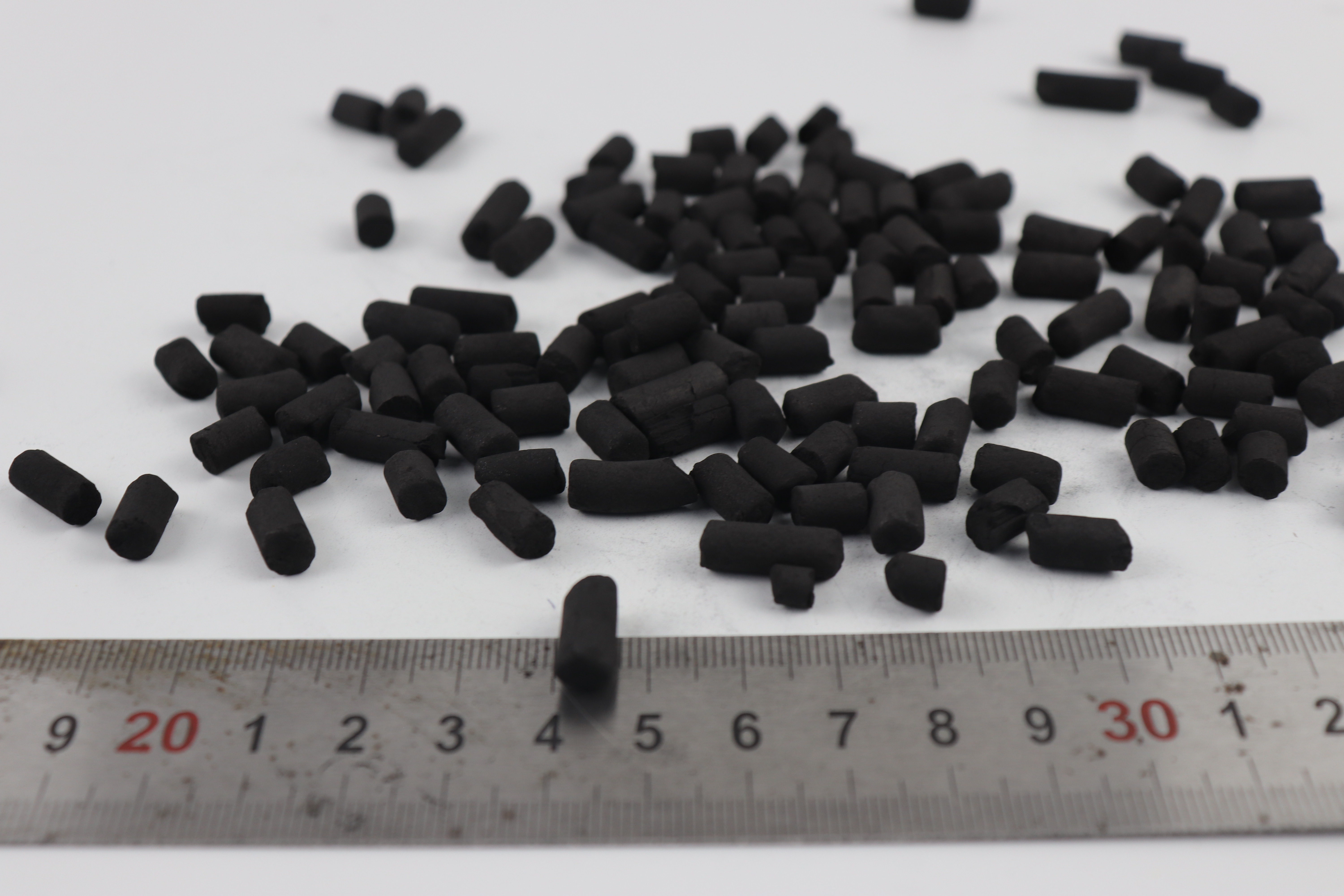
Several critical factors influence the service life of columnar activated carbon. These include: the inlet concentration of VOCs or organic compounds, gas flow rate and temperature, relative humidity, bed depth, and regeneration frequency (if steam regeneration is applied). A change in any of these conditions will directly affect how quickly the carbon becomes saturated. For example, in high-concentration exhaust streams (e.g., above 1000 ppm VOCs), the carbon may reach breakthrough within only 2 to 3 months, requiring more frequent change-out.
To scientifically manage replacement cycles, the most reliable approach is not to rely solely on a fixed time interval, but to integrate real-time operational data. For instance, regularly monitor outlet VOC concentration using a PID detector, or observe any increase in pressure drop across the bed, or notice the return of odors. Once a significant decline in adsorption performance is detected – typically when outlet concentration reaches 5–10% of inlet concentration – it is time to replace or regenerate the carbon.
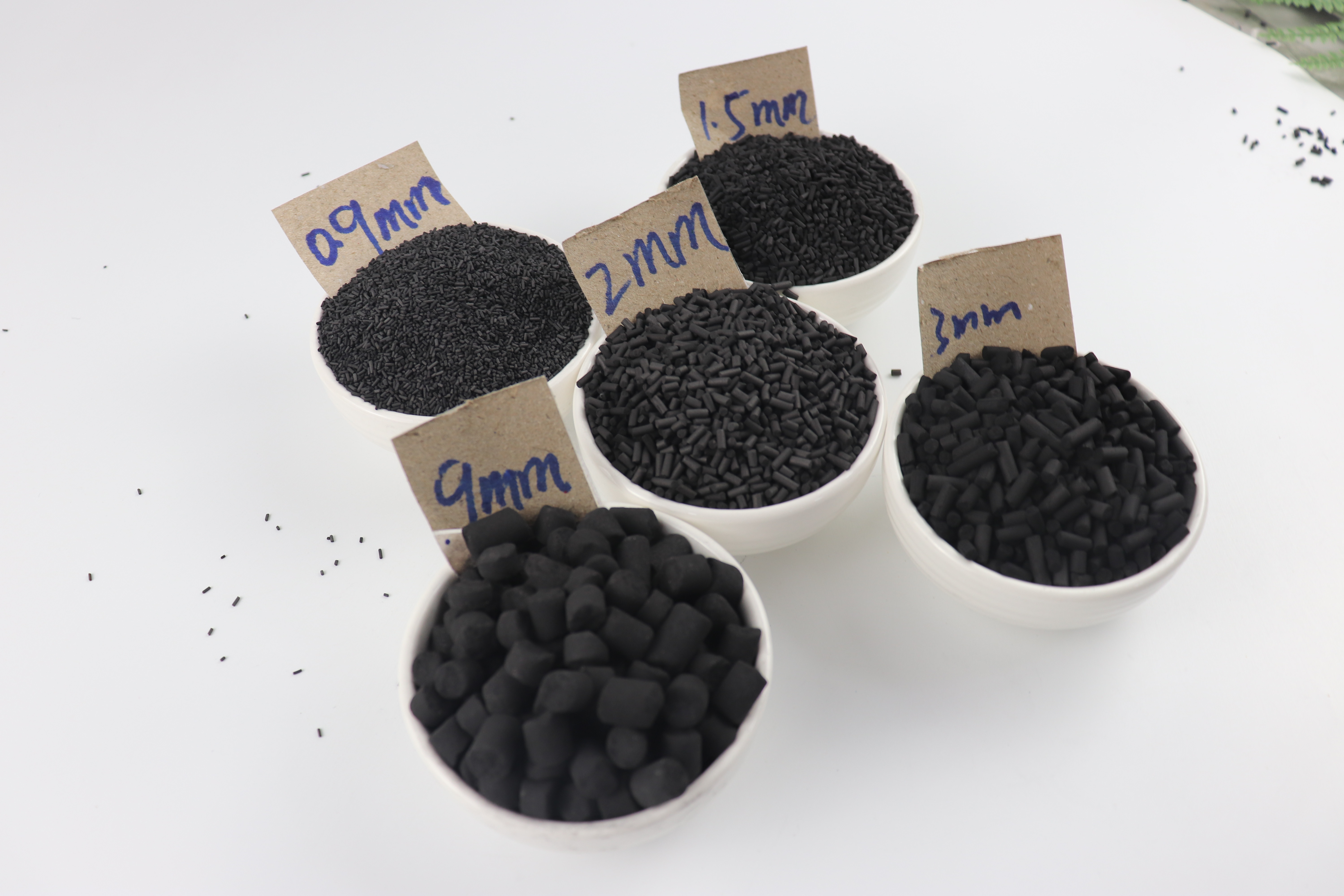
Selecting high-quality columnar activated carbon can significantly improve operational efficiency and reduce replacement frequency. ZhongChuang columnar activated carbon is manufactured from selected bituminous coal via advanced extrusion and steam activation processes. It features high mechanical strength (≥95%), uniform cylindrical shape (Φ3mm, Φ4mm, Φ6mm, etc.), low ash content (≤10%), and high CTC values (50–70%). These properties ensure stable adsorption performance, excellent resistance to attrition, and lower pressure drop, thereby extending effective service life under the same operating conditions and reducing downtime and labor costs.

If you would like to determine the most suitable columnar activated carbon model and replacement schedule for your specific exhaust treatment or solvent recovery application, please feel free to contact us. Our technical team will provide you with a professional, tailor-made solution.

 Get Free Sample
 WhatsApp