Zhongchuang has focused on the production and sales of activated carbon for decades. We are familiar with the application and common sense of activated carbon.
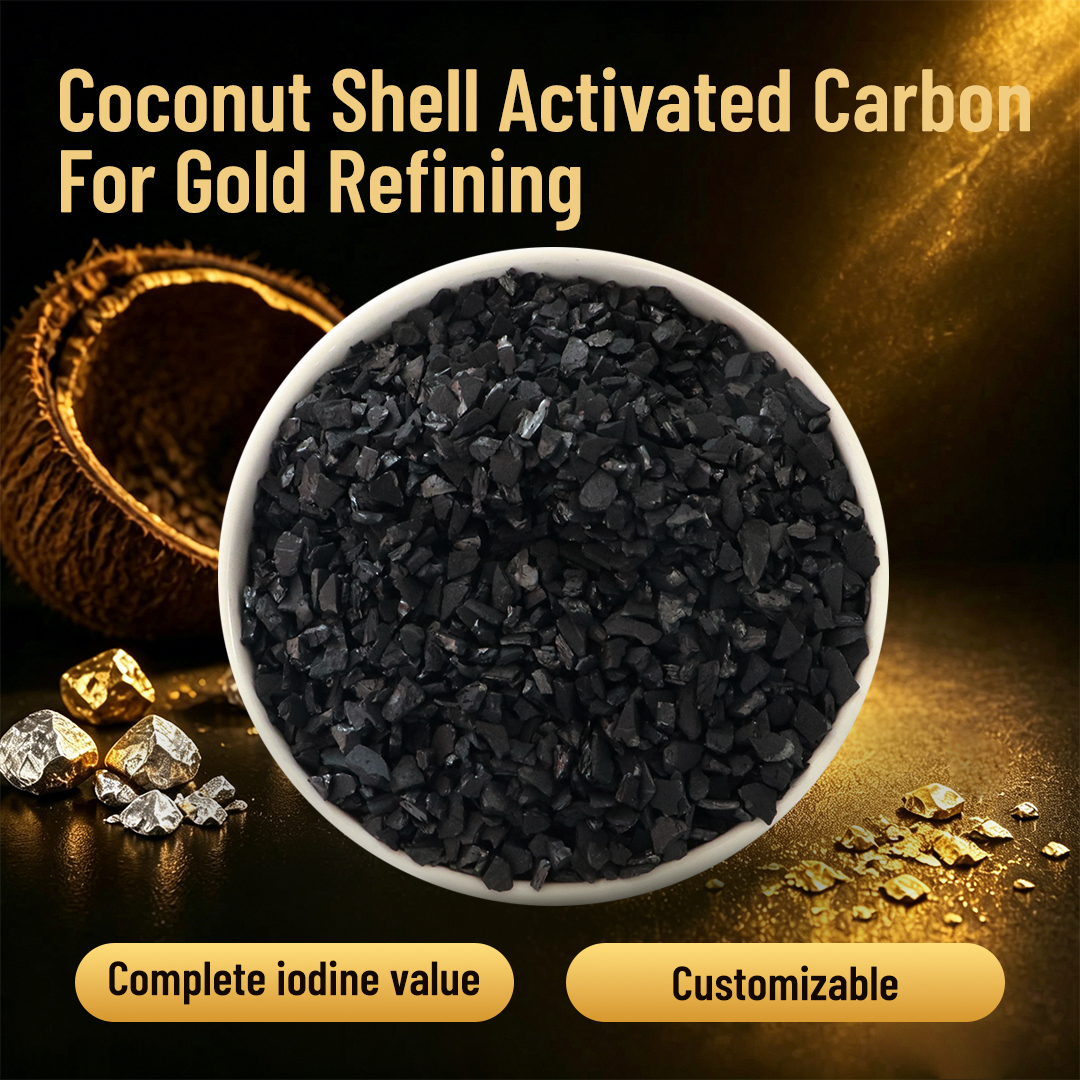
Stripping removes the gold from loaded carbon; reactivation restores the carbon for the next cycle. Elution conditions, kiln temperature and attrition losses decide the cost of the loop
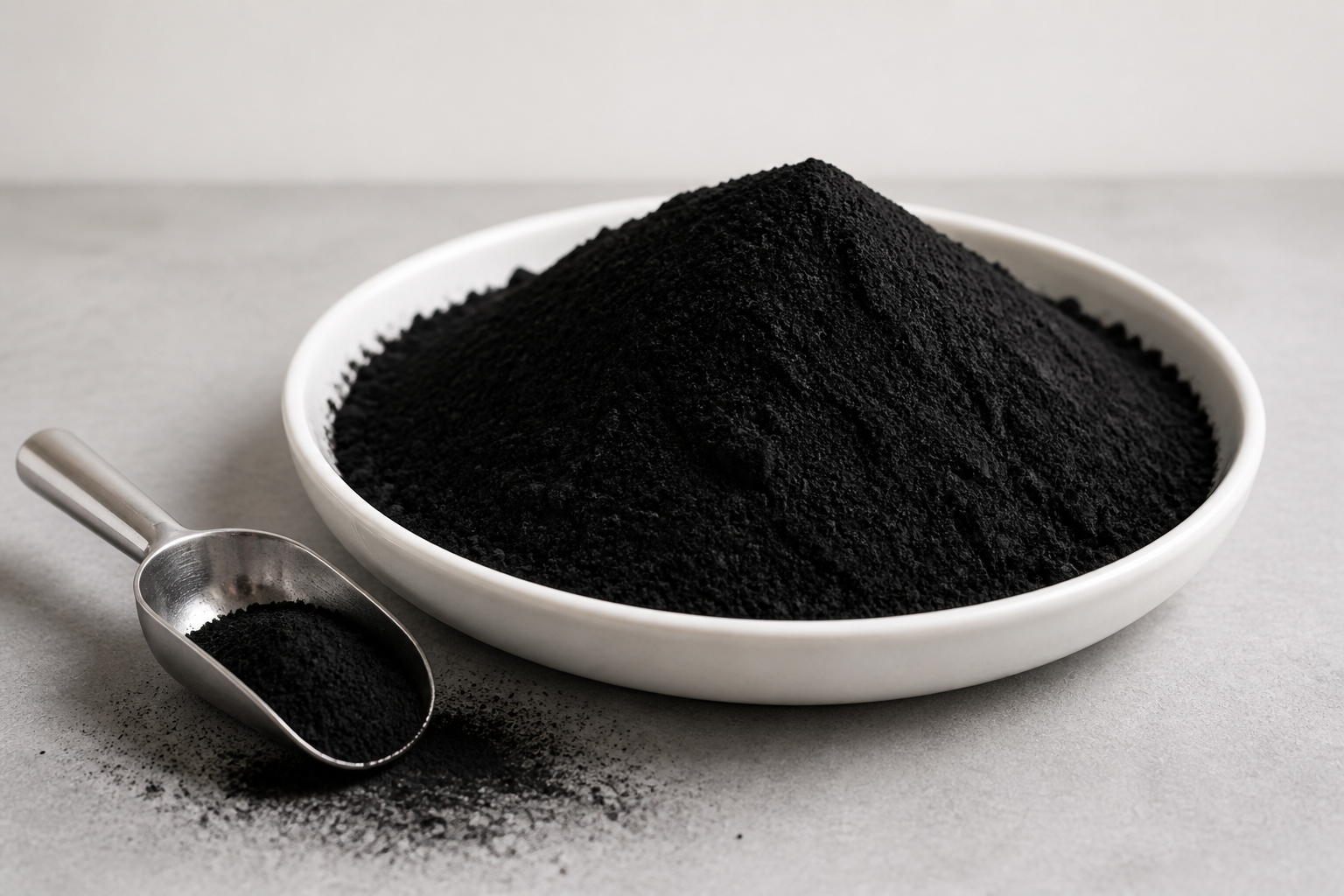
Powdered activated carbon is dosed by the milligram and stays in the water for minutes. Contact time, dosing point and iodine value decide whether it removes taste and odour or simply adds cost
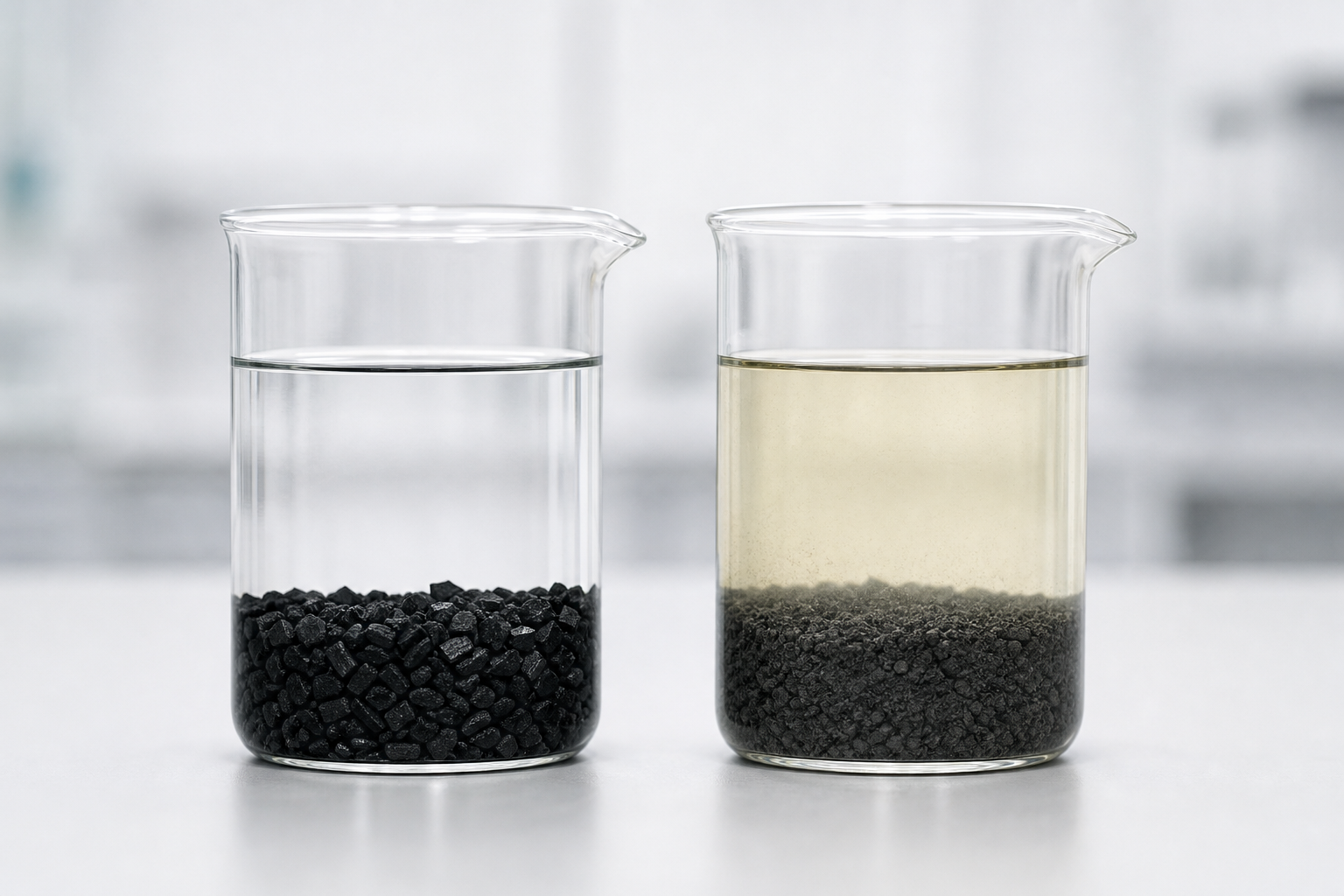
Learn how to monitor breakthrough, backwash correctly and time carbon replacement in fixed-bed GAC filters, so you replace on evidence instead of on a calendar and avoid paying for capacity you never used.
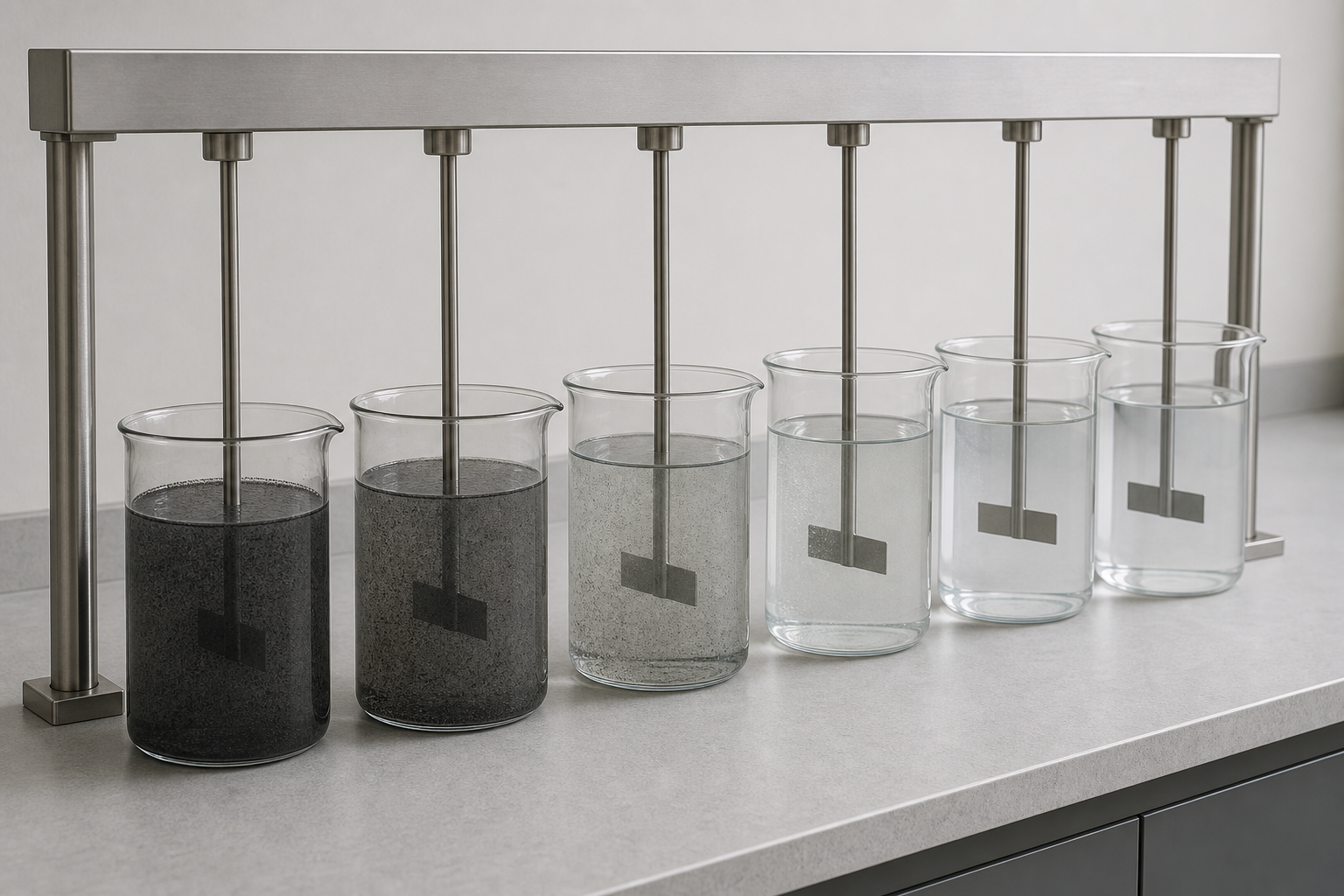
Powdered activated carbon is dosed by the milligram and stays in the water for minutes. Contact time, dosing point and iodine value decide whether it removes taste and odour or simply adds cost
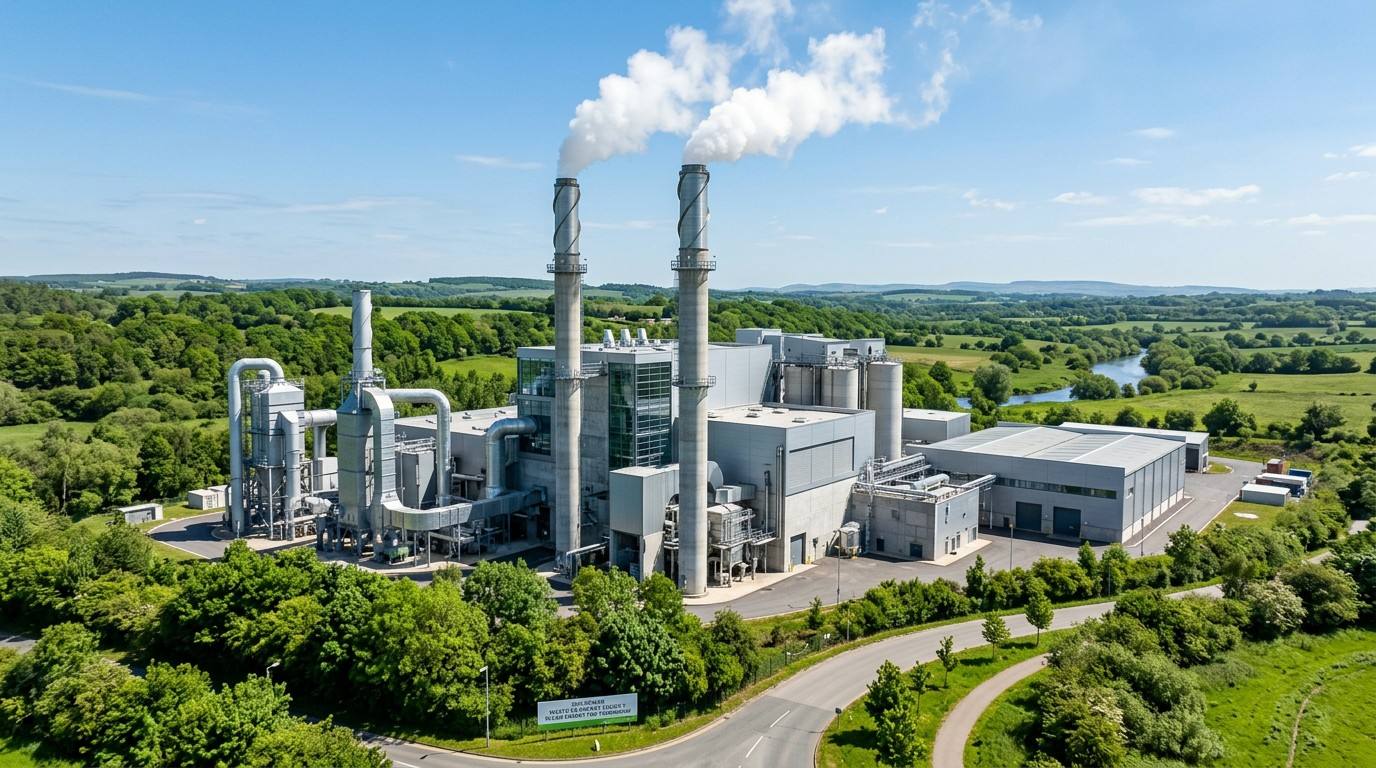
powdered activated carbon waste incineration dioxin removal mercury adsorption flue gas cleaning toxic gas control
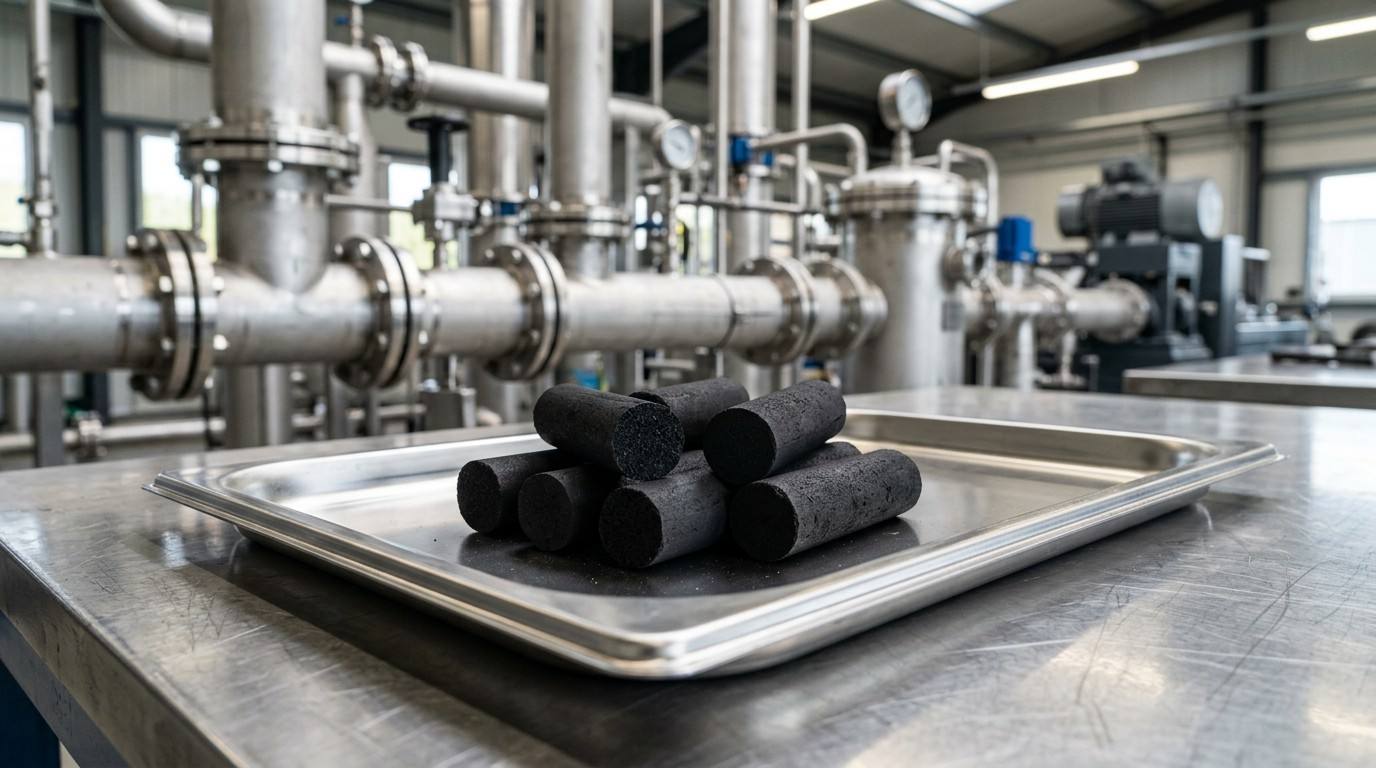
Explore the advantages of impregnated columnar activated carbon for H2S removal in biogas facilities. Protect your equipment and ensure compliance with specialized catalytic purification solutions.
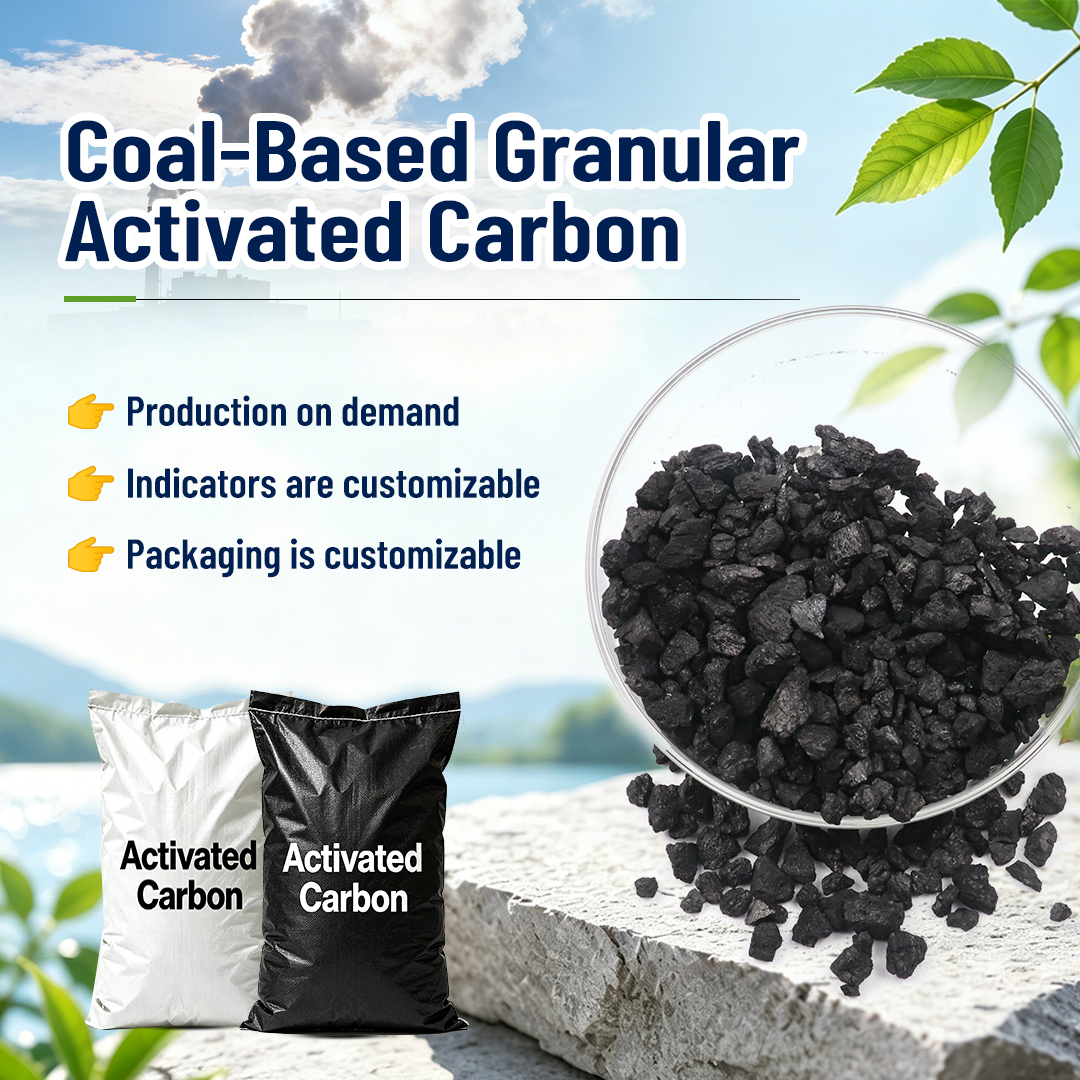
In addition to conventional activated carbon, our company can also do some extended processing and customization to meet the special requirements of some customers. For example, pickling, impregnation, catalysis or shape customization. If you have these needs for activated carbon, you are also welcome to send us an inquiry.
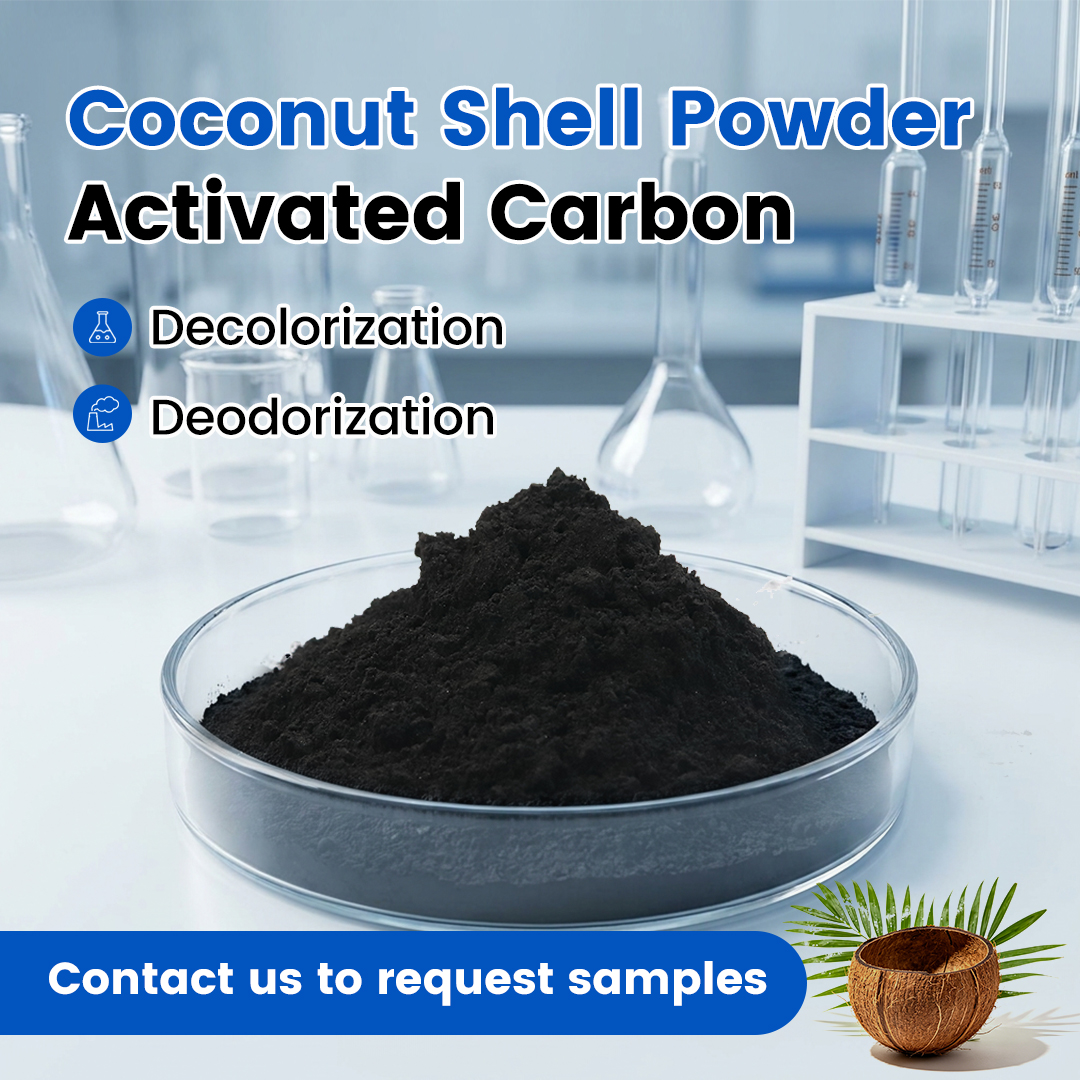
Powdered activated carbon (PAC) can be added before coagulation, during chemical addition, or during the settling stage, prior to sand filtration.
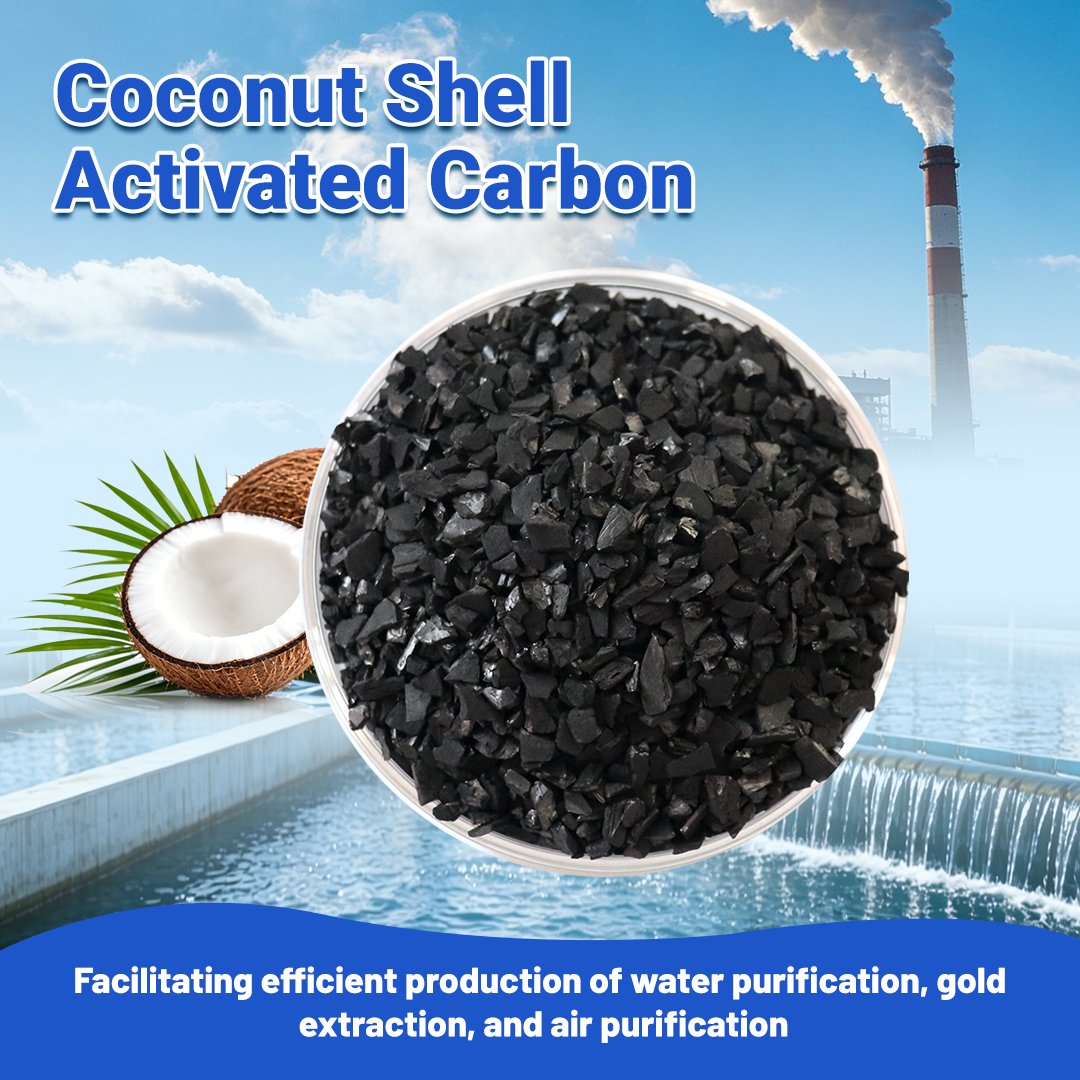
When using activated carbon in water treatment, we need to pay attention to some items so that we can ensure the efficiency and safety. And the following matters need to be noted to ensure its maximum efficiency and safety, today we will talk about it.
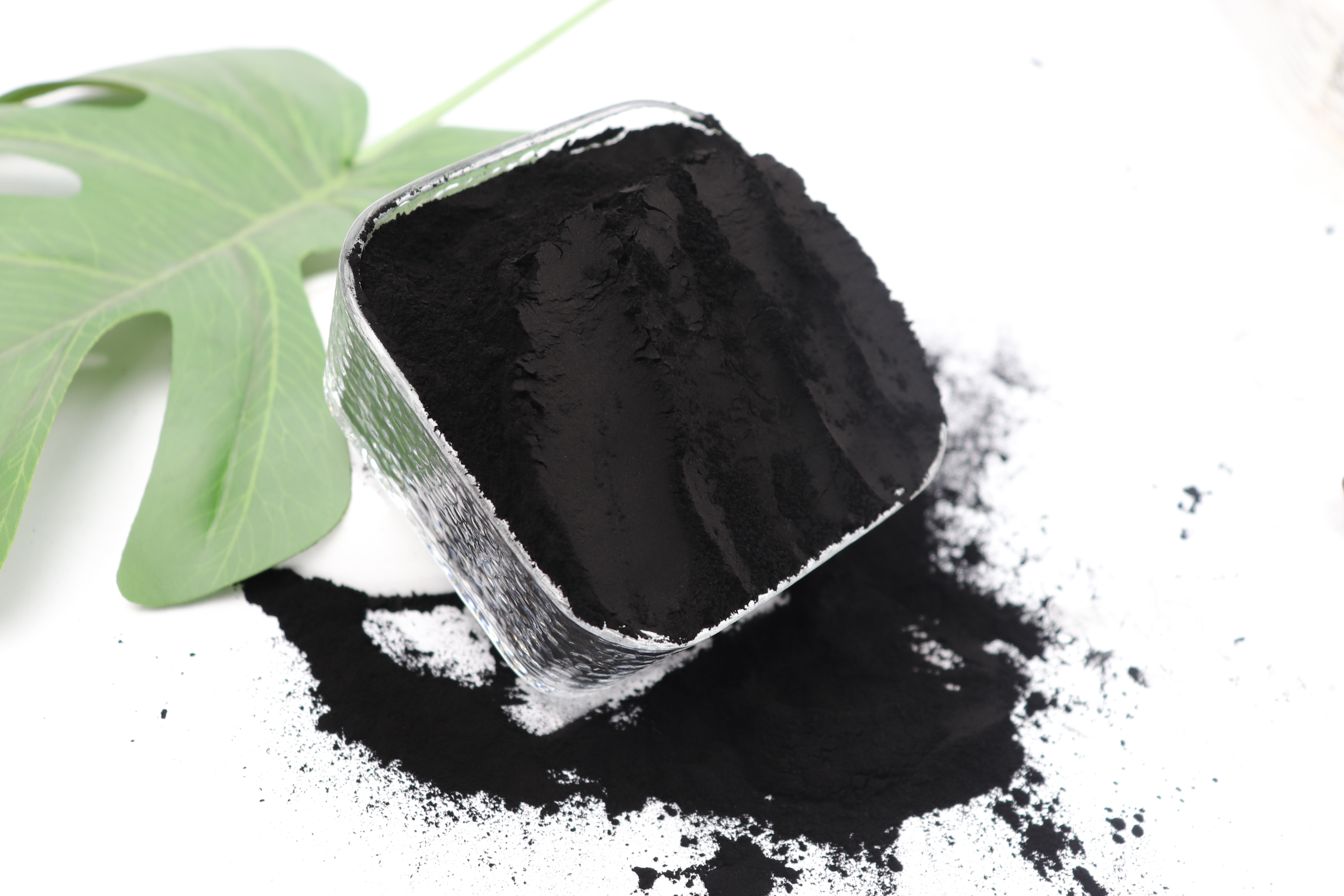
Powdered activated carbon (PAC) can be added before coagulation, during chemical addition, or during the settling stage, prior to sand filtration.
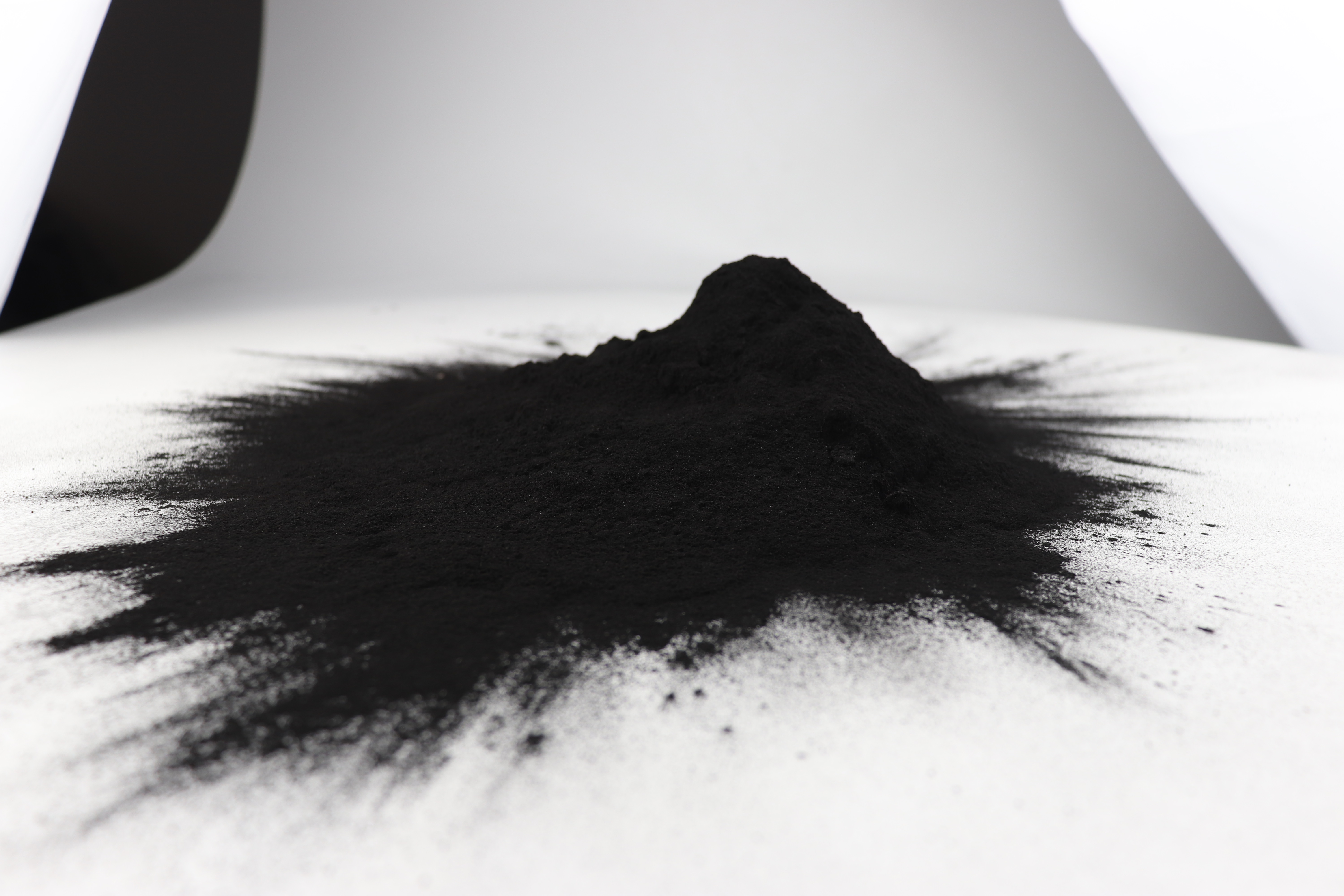
Powdered Activated Carbon (PAC) is a widely used adsorption medium in municipal, industrial and emergency wastewater treatment for removing dissolved organics, color, odor and toxic pollutants while significantly reducing COD.
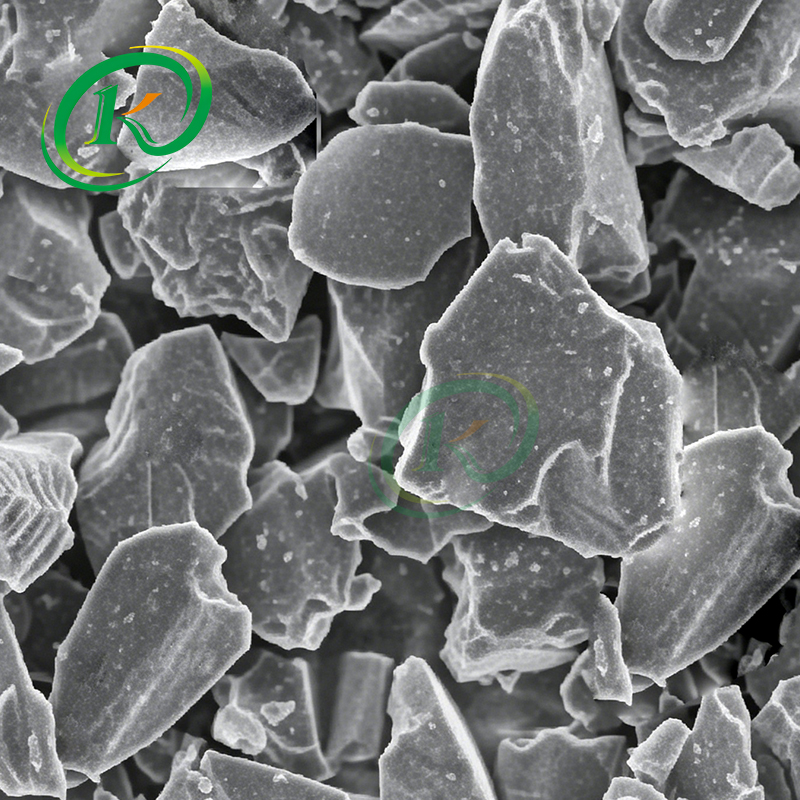
As silicon-carbon anodes become the mainstream solution for high-energy-density lithium batteries, silicon volume expansion during charge-discharge cycles remains a key industry bottleneck. Our silicon-carbon anode porous carbon — made from premium coconut shell biomass via advanced steam activation — effectively solves this problem as a core carrier and buffer material for silicon-carbon anode systems.


 Get Free Sample
 WhatsApp