Zhongchuang has focused on the production and sales of activated carbon for decades. We are familiar with the application and common sense of activated carbon.
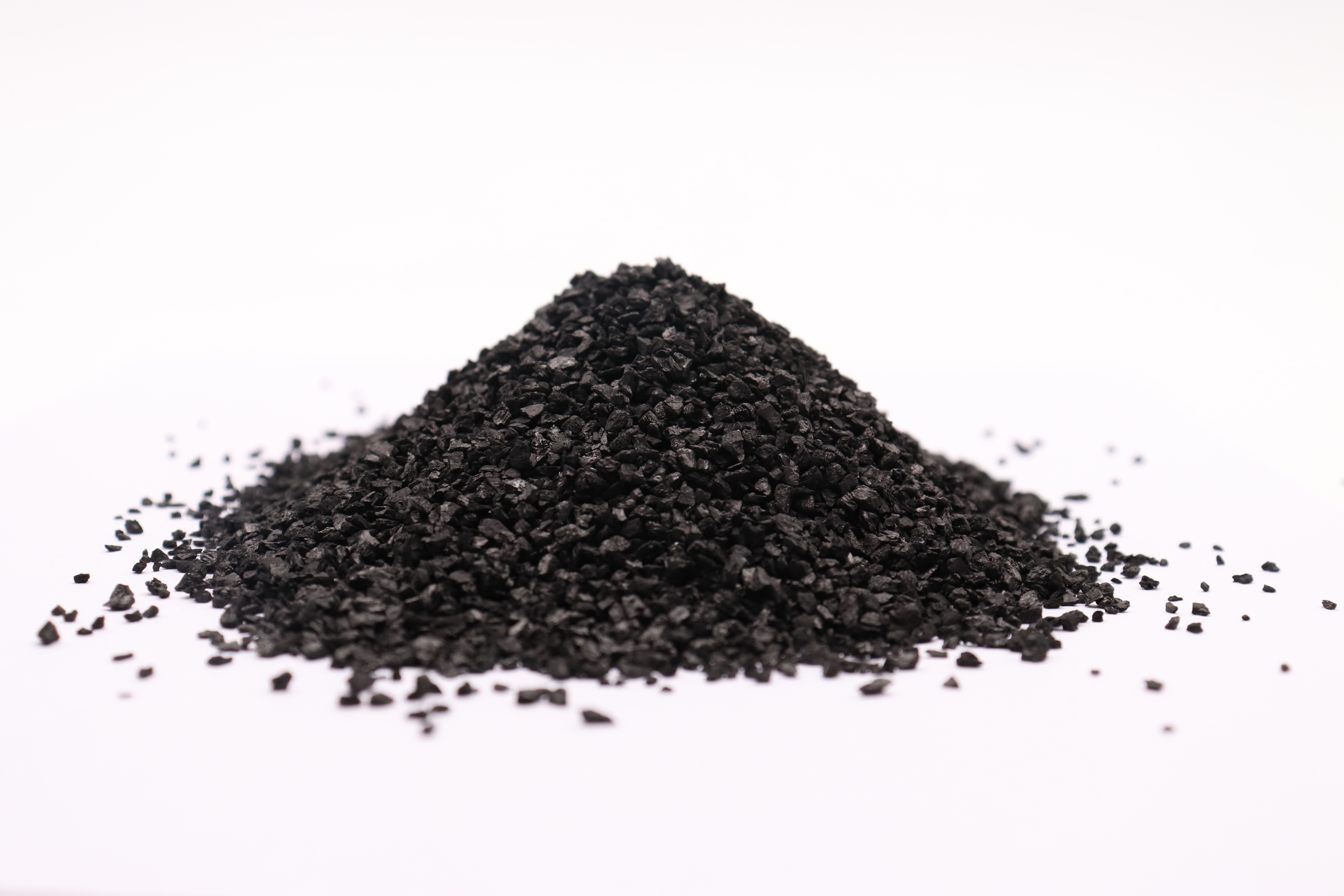
Coal-based Granular Activated Carbon (GAC) is the core filtration medium for fixed-bed water treatment systems, widely used in municipal drinking water purification, industrial advanced wastewater treatment and reverse osmosis pre-treatment.
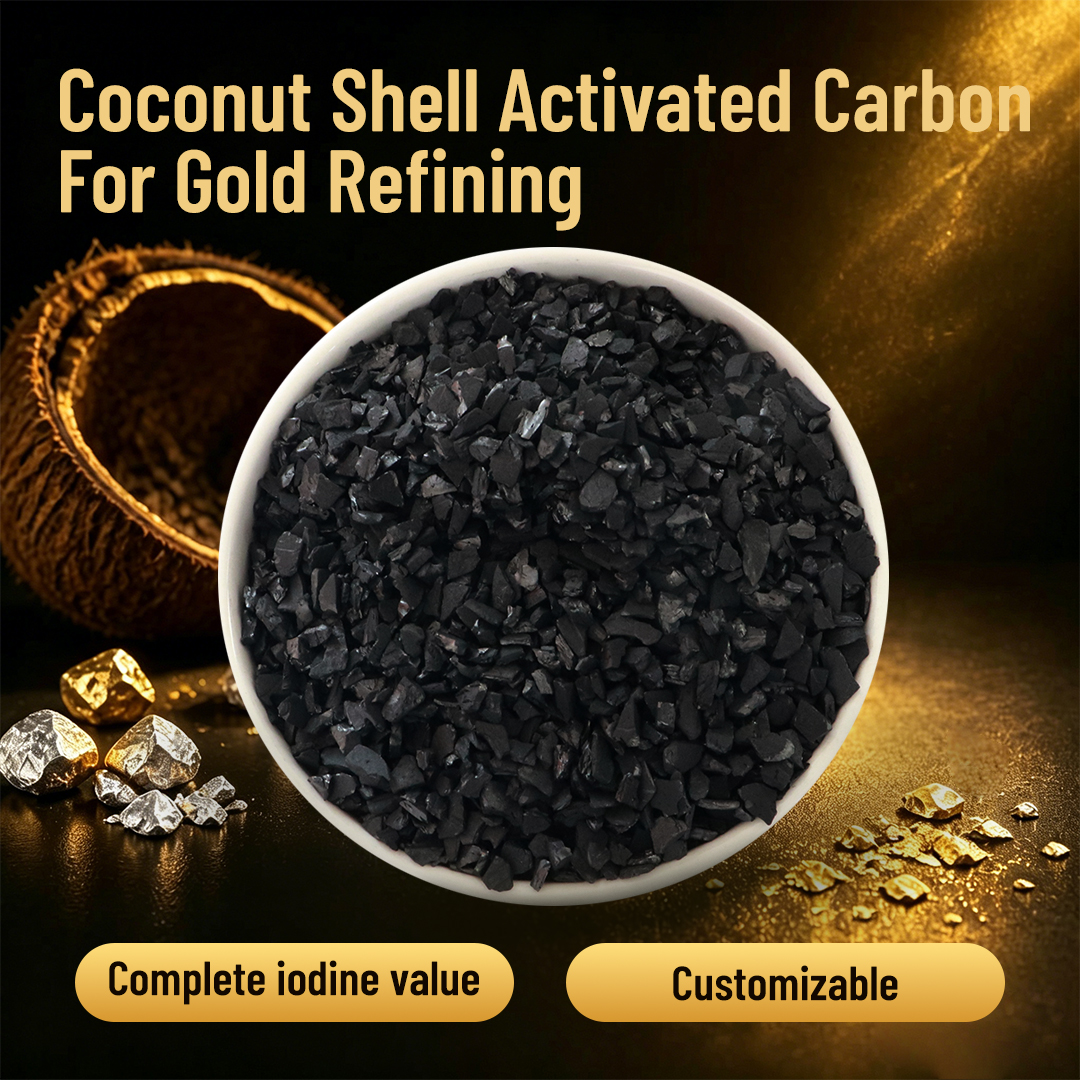
In gold cyanidation processes, coconut shell granular activated carbon (GAC) is widely used to adsorb gold cyanide complexes from pregnant slurries, primarily in CIL (Carbon-In-Leach) and CIP (Carbon-In-Pulp) circuits. Unlike single-use powdered carbon, GAC can be regenerated thermally and reused multiple times. However, after repeated cycles, its adsorption capacity and mechanical strength gradually decline, making periodic replenishment of fresh carbon and discharge of spent material essential. For plant operators and procurement managers, the carbon consumption rate (including physical attrition and chemical deactivation) is a key factor directly impacting gold recovery costs.
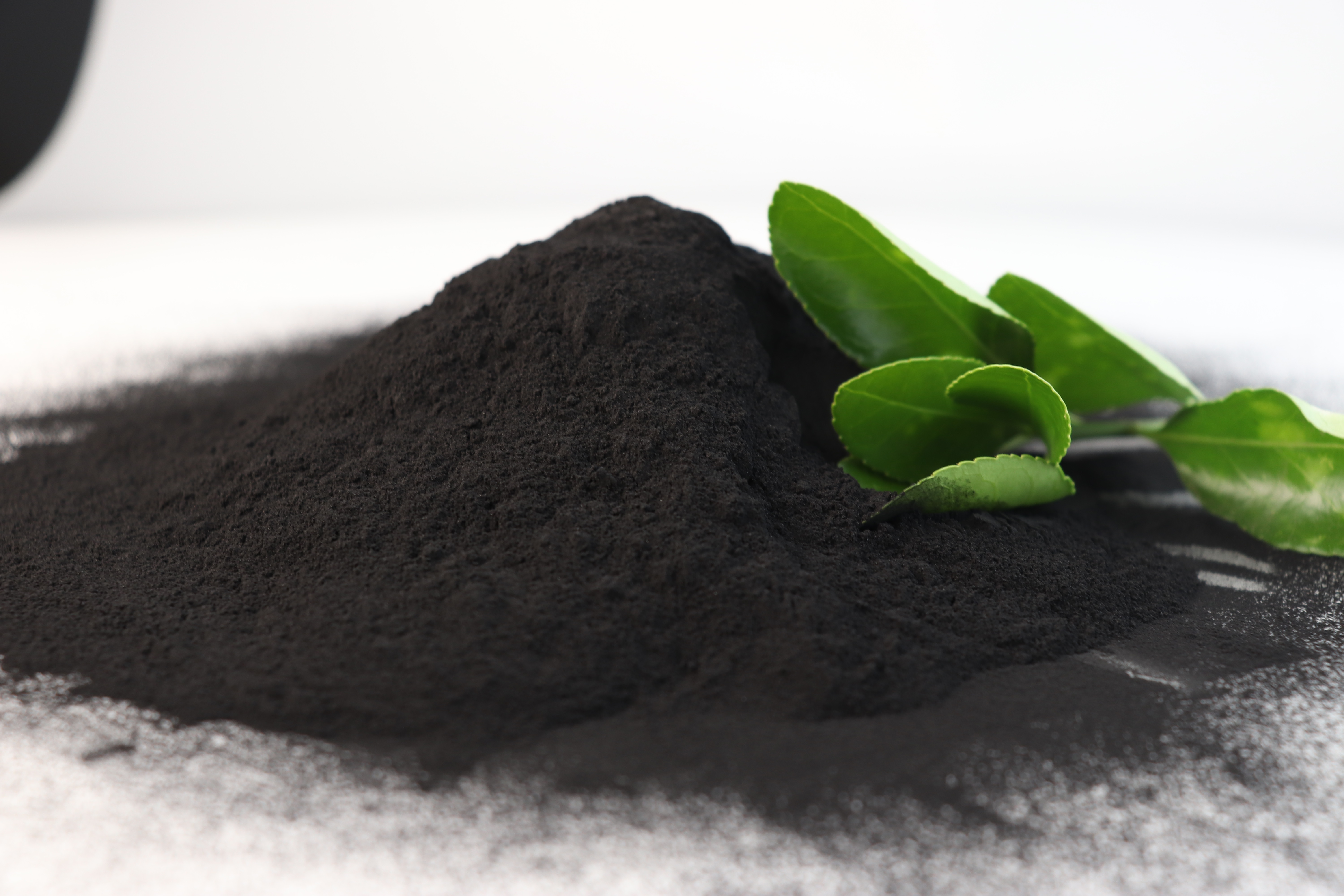
Once powdered activated carbon (PAC) reaches adsorption saturation, its purification efficiency for water or waste gas declines significantly. Therefore, timely replenishment or replacement is essential. Unlike columnar carbon, PAC is typically used in a single-pass, non‑regenerable manner – it is dosed continuously or batchwise and then removed via sedimentation or filtration. Under standard industrial operating conditions, the “replacement cycle” is not measured in months but in hours or even minutes.
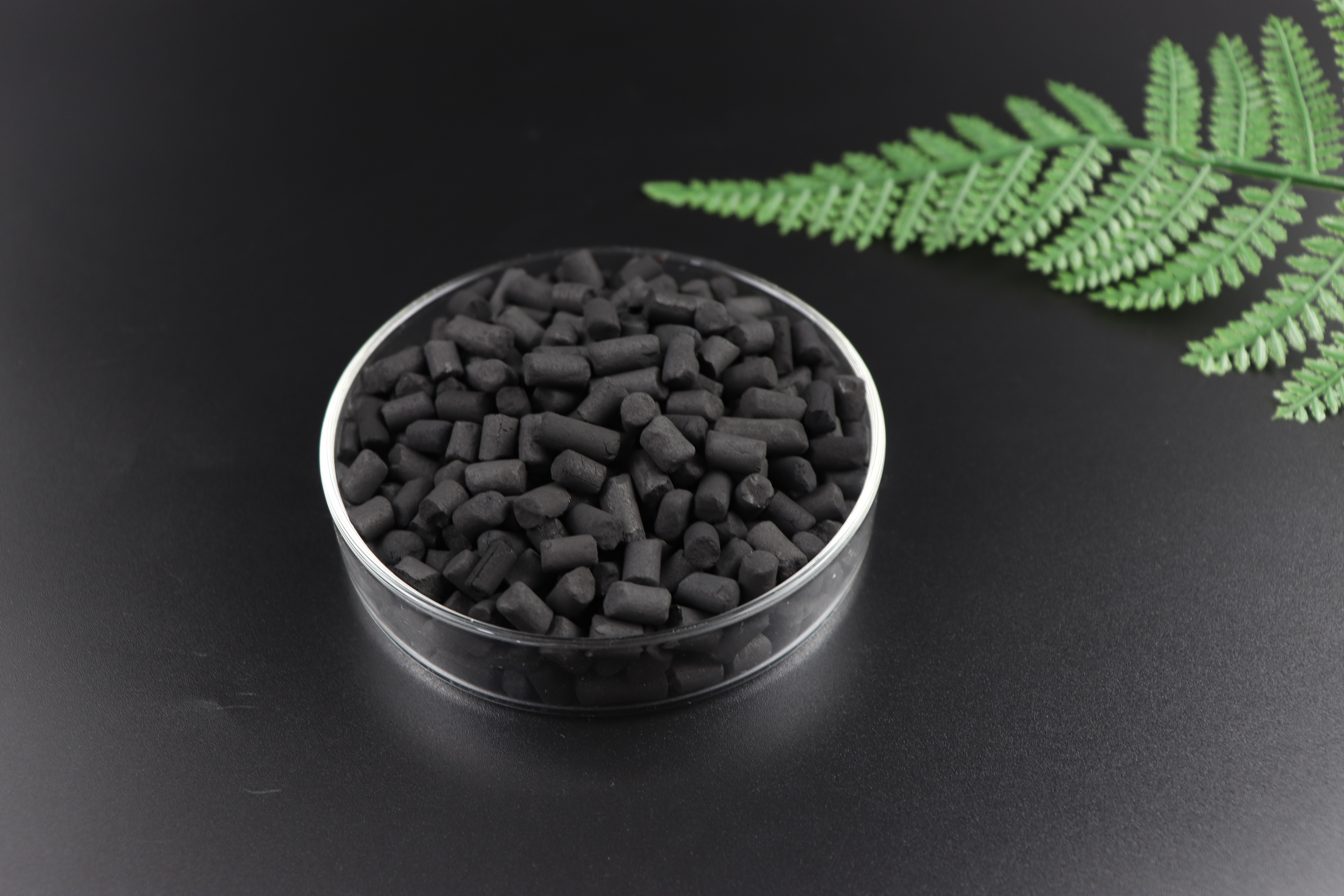
Once columnar activated carbon reaches adsorption saturation, its purification efficiency for waste gas or liquid streams declines significantly. Therefore, periodic replacement is essential. Under standard industrial operating conditions, a typical replacement cycle ranges from 6 to 12 months – longer than granular activated carbon in some applications due to its higher mechanical strength and lower pressure drop characteristics.
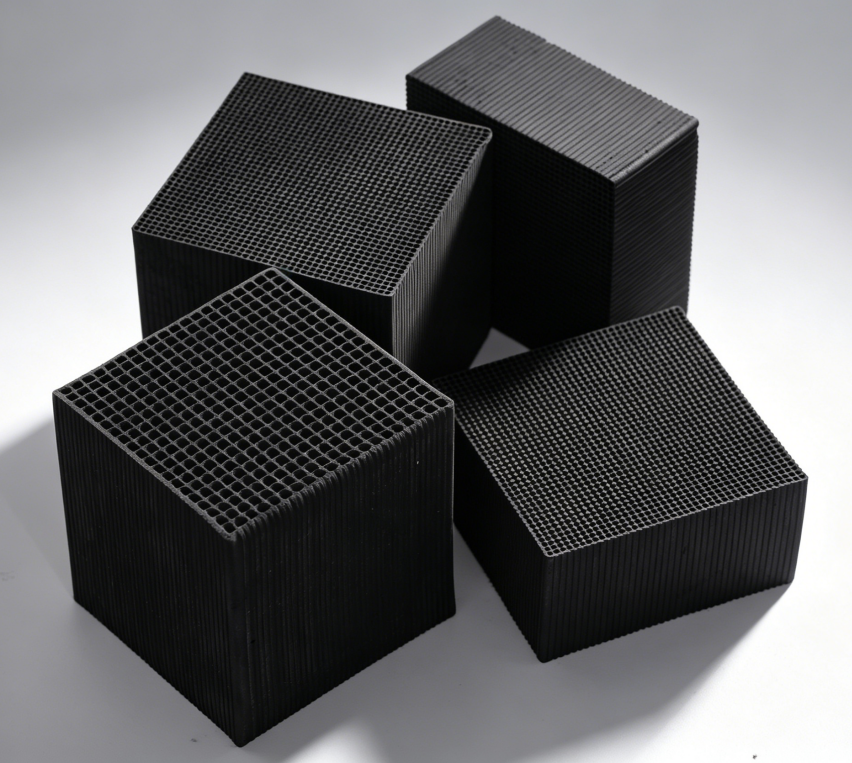
Leveraging its unique honeycomb monolithic structure and high specific surface area, honeycomb activated carbon efficiently removes volatile organic compounds (VOCs), malodorous gases and fine particulate matter from industrial flue gas, significantly improving exhaust gas emission standards and reducing environmental pollution.
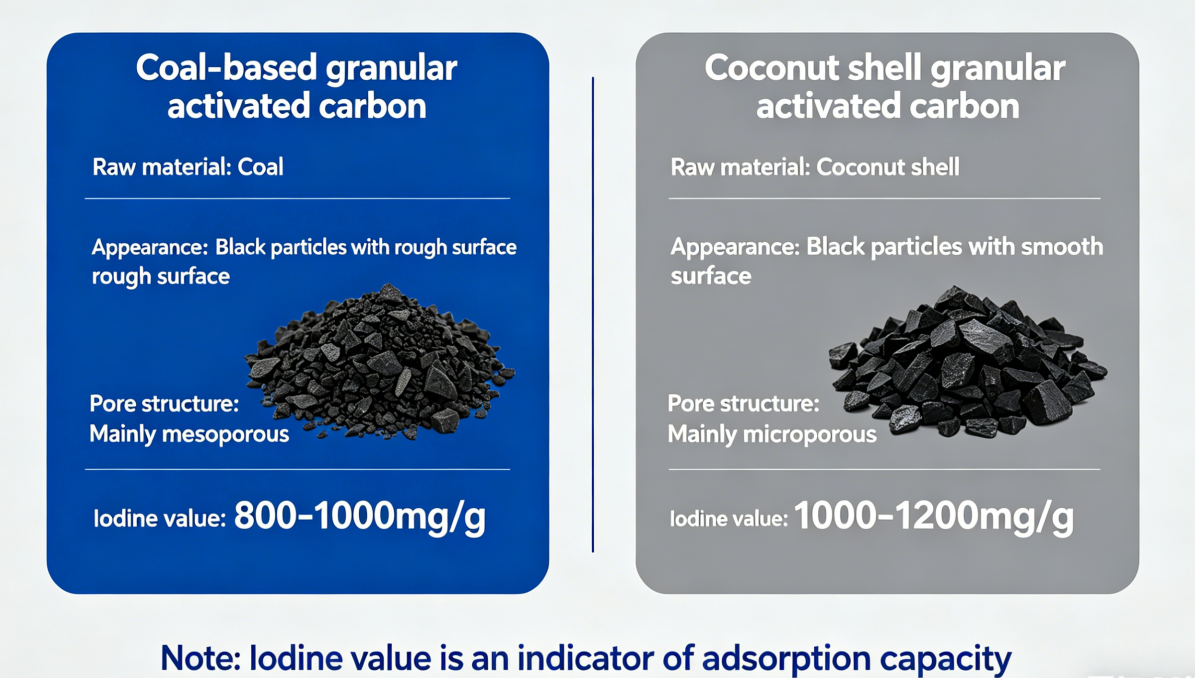
Due to differences in raw material processing, coal-based granular activated carbon and coconut shell granular activated carbon each have their own advantages in microporous structure, mechanical hardness, purification effect, and applicable water treatment and air purification scenarios. They are two commonly used and distinctly different adsorption materials in industrial purification.
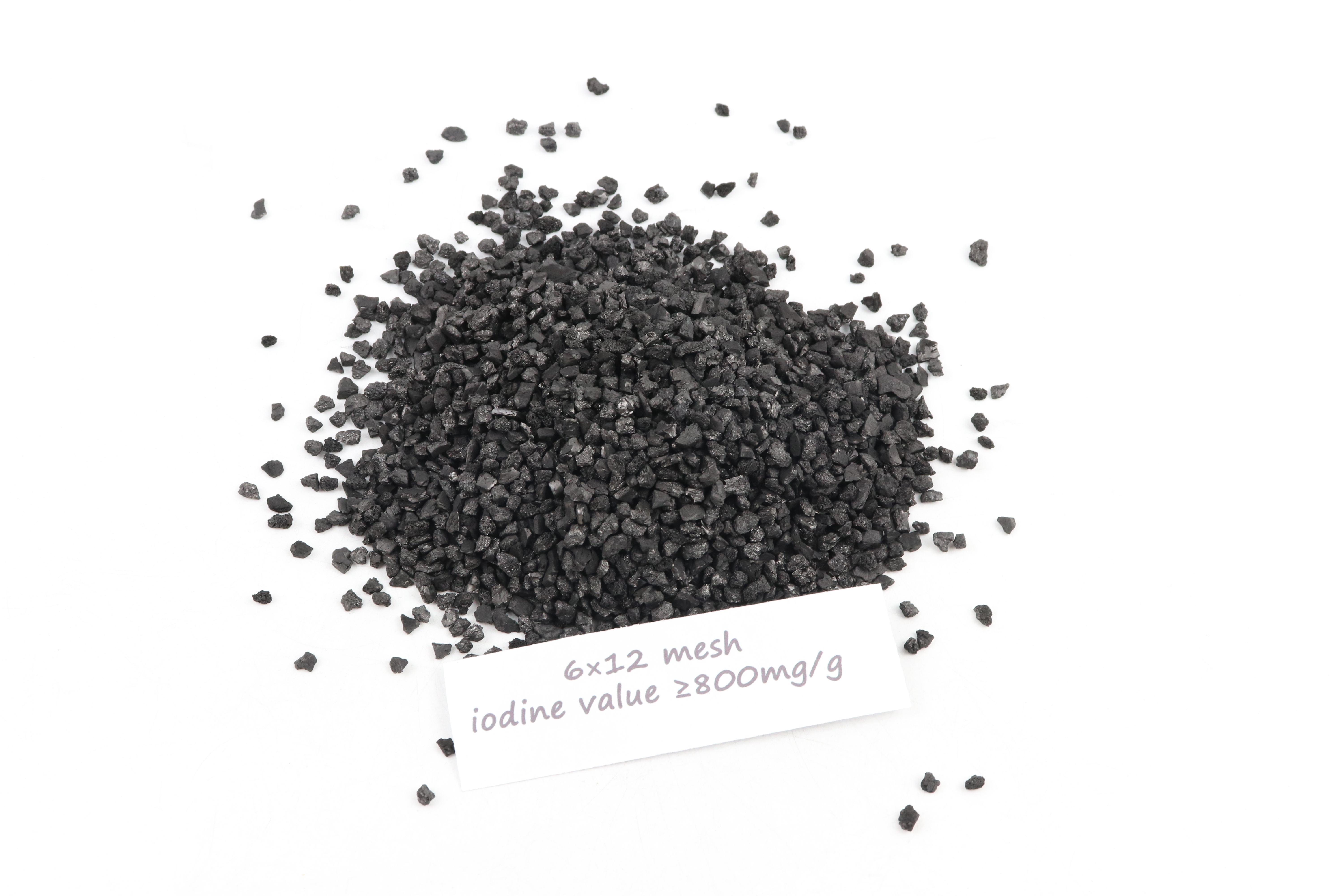
Leveraging its developed pore structure and high specific surface area, coal-based granular activated carbon efficiently removes refractory organics, toxic substances from chemical wastewater, significantly reducing COD and color.
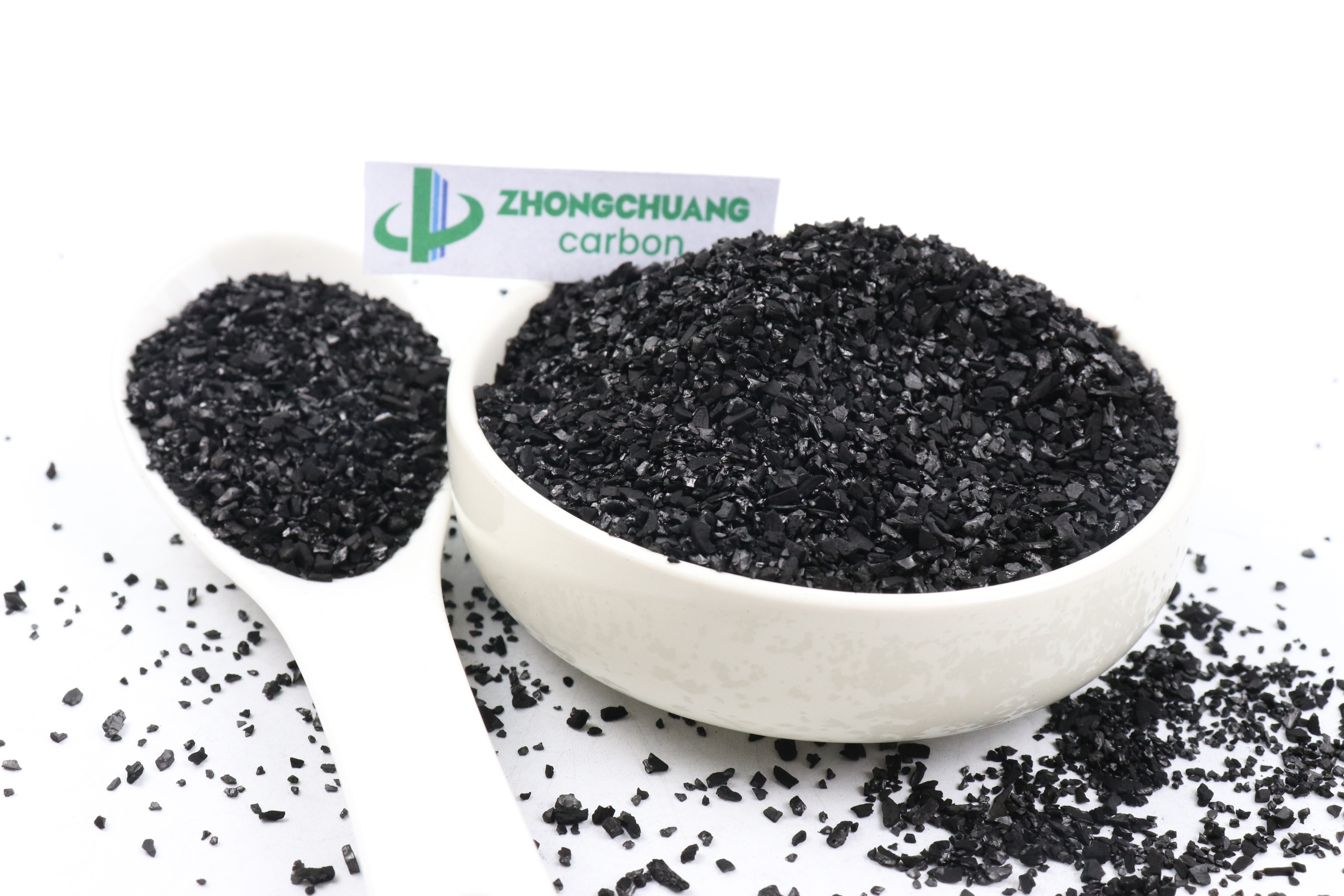
Premium coconut shell activated carbon efficiently adsorbs chlorine, odor and organics. Get reliable water purification solutions for your filtration projects.
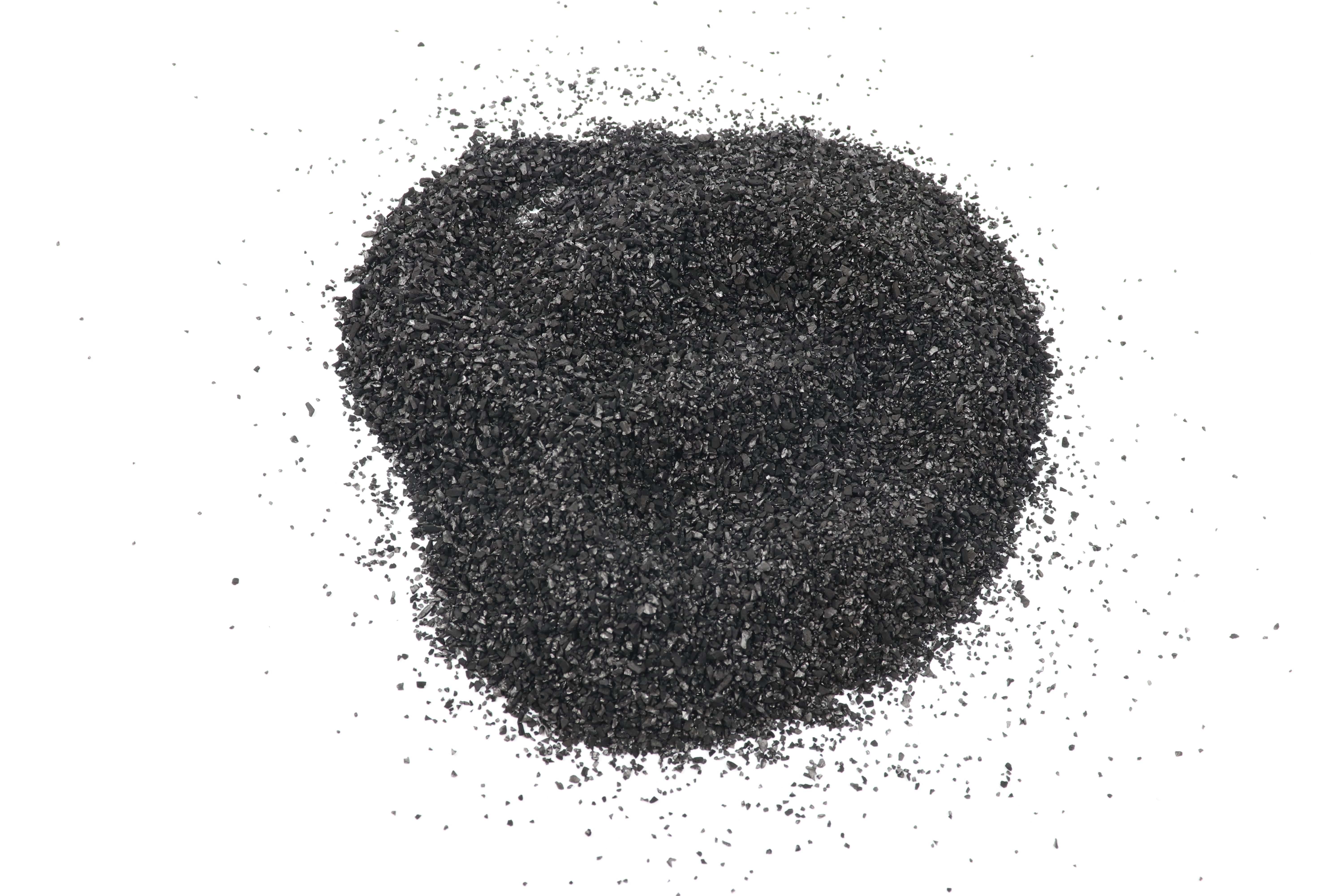
High purity virgin coconut shell activated carbon specially produced for catalyst carrier & desiccant support. Excellent porosity, high mechanical strength and stable chemical property for industrial chemical applications.

Once coal-based granular activated carbon reaches adsorption saturation, its purification efficiency declines significantly. Therefore, it requires periodic replacement. Typically, a replacement cycle of 3 to 6 months is common.
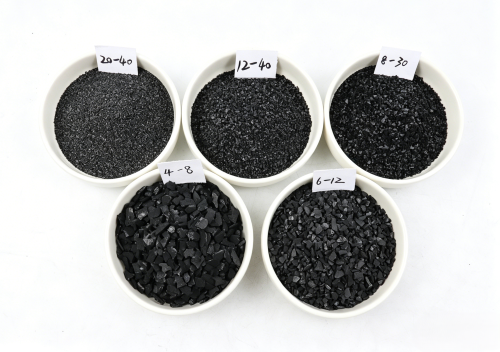
From household water purification to municipal water supply, and from industrial ultrapure water production to the upgrading of various wastewater treatment systems, coconut shell activated carbon has emerged as the material of choice for water treatment, thanks to its superior adsorption capacity, higher structural strength, and excellent chemical stability.

For oxygen production, lithium molecular sieves (such as LiX type) or high-performance modified zeolite molecular sieves (such as 13X, 5A type) should be preferred. This type of molecular sieve has a higher nitrogen and oxygen separation coefficient and adsorption capacity. It can efficiently separate oxygen in the air and produce oxygen-rich gas with a purity of 90%-95%. It is suitable for medical, health care and industrial scenarios.


 Get Free Sample
 WhatsApp